The Psychological Appeal of Casino Slots
Casino slots are not just popular games in the gambling world; they represent a global phenomenon that captivates millions of players. This article delves into the psychological allure behind these seemingly straightforward games and explores why they continue to hold such widespread appeal.
Understanding the Attraction
.png)
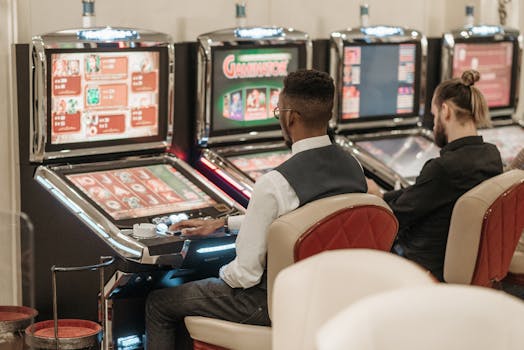
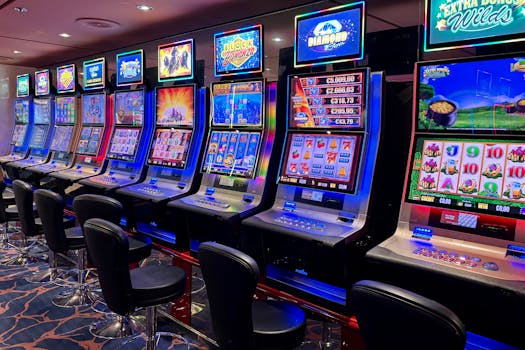
The appeal of slot machines is deeply rooted in several psychological principles. One of the most significant is the concept of intermittent reinforcement. Players receive rewards at unpredictable intervals, which keeps them engaged and continuously playing, hoping the next pull will bring a big win. Additionally, the sensory stimulation from the bright lights, captivating sounds, and dynamic graphics creates an enticing environment that many find irresistible.
Key Psychological Triggers
Slot machines are particularly appealing due to a few specific psychological triggers:
- Illusion of Control: Players might believe they can influence the game's outcome through actions like pressing a button harder, playing at a certain time of day, or choosing a specific machine. This feeling of control can significantly increase their engagement.
- Gambler's Fallacy: Many players hold the belief that a win is "due" after a series of losses, compelling them to continue playing under the false assumption that their chances of winning increase with each loss.
Advantages and Disadvantages
The primary advantage of slot machines lies in their simplicity and accessibility. They require no prior knowledge or strategic thinking, which makes them appealing to a broad audience. However, this simplicity can also serve as a disadvantage, particularly when it contributes to problem gambling. The rapid succession of play combined with the ease of access can lead to quick and substantial monetary losses.
Practical Examples
A practical example of the psychological allure can be seen in the design of slot machines in places like Las Vegas. These machines are engineered to maximize player engagement through thematic diversity and visual appeal. Every aspect, from the color schemes to the game narratives, is carefully crafted to stimulate continued play and, consequently, increase revenue for casinos.
Conclusion
In summary, the psychological appeal of casino slots is intricately linked to basic human behaviors and the allure of potential rewards. The combination of intermittent reinforcement and sensory stimulation makes these machines both enjoyable and captivating. While they offer a form of entertainment, it's crucial for players to engage in gambling activities responsibly. With a better understanding of the psychological impacts of slot machines, individuals can make more informed decisions about their gambling habits, potentially reducing the risk of developing gambling problems.