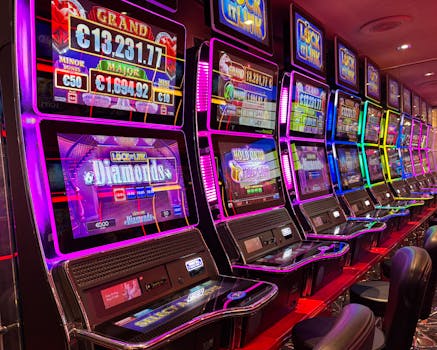
Casino Slot Game Design: An Inside Look
Slot machines are the heartbeat of the casino floor, both in brick-and-mortar venues and online platforms. But behind their flashing lights and catchy soundtracks lies a complex world of creativity, psychology, mathematics, and technology. Casino slot game design is a nuanced process, blending art and science to deliver immersive, entertaining experiences that keep players coming back for more. In this article, we pull back the curtain to reveal the intricate steps, key players, and innovative strategies that shape the slots you know and love.
The Creative Foundations: From Concept to Storyboard
Designing a slot game begins long before any reels spin or graphics are rendered. It all starts with an idea—a theme that will serve as the backbone of the experience. Popular themes in 2023 included ancient civilizations, adventure quests, branded pop culture franchises, and even culinary journeys. According to a report by Statista, themed slots accounted for 68% of all new games released in Europe last year.
The creative process includes: - Brainstorming sessions: Teams of writers, artists, and game designers pitch concepts and refine storylines. - Storyboarding: Visual sketches outline the flow of the game, key symbols, bonus features, and user interface elements. - Character and world design: Artists create protagonists, antagonists, backgrounds, and atmospheric elements to evoke a specific mood or narrative.For example, NetEnt’s “Gonzo’s Quest” combined a treasure-hunting theme with a charismatic lead character, setting a new standard for narrative-driven slots.
.png)
Mathematical Mechanics: The Engine Under the Hood
While visuals attract players, the underlying mathematics determines how a slot game actually works. Two critical elements in the design process are Return to Player (RTP) and volatility:
- RTP is the percentage of wagered money a slot game is expected to pay back to players over time. Most modern slots have RTP values between 92% and 98%. For example, “Blood Suckers” by NetEnt boasts a high RTP of 98%, making it popular among savvy players. - Volatility describes how often and how much a slot pays out. High-volatility games offer rarer but bigger wins, while low-volatility slots pay smaller amounts more frequently.Designers use complex algorithms known as Random Number Generators (RNGs) to ensure fair, unpredictable outcomes. Each spin is independent, governed by probability instead of memory or patterns, guaranteeing compliance with gaming regulations.
To illustrate how different games balance their mathematical profiles, consider the following comparison:
| Game Title | RTP (%) | Volatility | Bonus Features |
|---|---|---|---|
| Starburst | 96.09 | Low | Expanding Wilds |
| Book of Dead | 96.21 | High | Free Spins, Expanding Symbols |
| Gonzo’s Quest | 95.97 | Medium | Avalanche Reels, Multipliers |
This balance of numbers and features ensures each slot appeals to a different player profile, from risk-takers to cautious spinners.
Player Psychology: Engineering Engagement and Excitement
Slot game design is as much about understanding player psychology as it is about art or math. Designers use a range of strategies to maximize engagement:
- Near-miss outcomes: These are results where the reels stop just short of a big win, encouraging players to try again. Studies show near-misses can increase playtime by up to 30%. - Reward schedules: Variable rewards, such as unpredictable bonus rounds or progressive jackpots, activate dopamine pathways in the brain, making the experience more thrilling. - Sensory feedback: Lights, sounds, and animations are carefully choreographed. For instance, celebratory music and coin animations after a win enhance the sense of achievement.Additionally, the use of “losses disguised as wins” (LDWs)—where players win back less than their original bet but receive positive feedback—has become common, subtly encouraging continued play. In 2022, a study in the Journal of Gambling Studies found that 41% of slot sessions included at least one LDW, demonstrating their prevalence in modern design.
Technology’s Role: Tools and Platforms Behind the Scenes
Modern slot game development leverages a wide array of technological tools and platforms. Unlike the mechanical slots of the past, today’s games are built using advanced software development kits (SDKs) and graphics engines such as Unity or Unreal Engine.
Key technologies include: - HTML5: Enables cross-platform compatibility so games can run seamlessly on desktops, tablets, and smartphones. As of 2024, over 85% of online slot releases are developed in HTML5. - Animation and sound design software: Tools like Adobe After Effects and Logic Pro X help create smooth animations and high-quality soundtracks. - Backend frameworks: Secure servers manage player data, RNG operations, and regulatory compliance, with cloud-based solutions offering scalability and real-time analytics.Security is paramount, especially online. All games undergo rigorous testing by independent labs such as eCOGRA or GLI to ensure randomness and fairness, with test reports often published on casino websites.
Innovations and Trends Shaping the Future of Slot Design
Slot game design is constantly evolving, driven by player demand, technological advances, and regulatory changes. Several key trends are shaping the future of the industry:
- Skill-based elements: Some new games incorporate video game-style challenges, such as mini-games requiring player interaction. According to the American Gaming Association, skill-based slots accounted for 12% of new releases in the U.S. last year. - Social and community features: Online slots now offer leaderboards, tournaments, and multiplayer modes, transforming solitary play into a community experience. - Immersive experiences: Virtual reality (VR) and augmented reality (AR) slots are beginning to emerge. While still niche, VR slots saw a 37% increase in player adoption between 2022 and 2023, according to Grand View Research. - Responsible gaming tools: To combat problem gambling, many slot games now include features such as time limits, loss limits, and reality checks, helping players maintain control.These innovations not only make games more engaging but also attract a broader demographic, from traditional casino-goers to younger, tech-savvy audiences.
The Slot Game Design Team: Roles and Collaboration
Behind every successful slot is a diverse team of specialists, each contributing unique skills to bring the vision to life. A typical slot game design team includes:
- Game designers: Develop concepts, gameplay mechanics, and rules. - Artists and animators: Craft the visual elements, from symbols to backgrounds. - Sound designers and composers: Create music and sound effects. - Mathematicians and programmers: Build the game engine, balance payouts, and implement RNGs. - QA testers: Ensure the game is bug-free, fair, and meets regulatory standards. - Product managers: Coordinate development, marketing, and release schedules.Collaboration is key. For instance, artists work closely with programmers to ensure that graphics function smoothly on all devices, while mathematicians and designers balance game mechanics for both entertainment and profitability. Larger developers like Microgaming or Playtech may have teams of 30 or more working on a single title.
Conclusion
Casino slot game design is a fascinating blend of creativity, psychology, mathematics, and technology. From the initial concept to the final product, each stage is meticulously crafted to deliver an experience that captivates, entertains, and retains players. As trends like skill-based play and immersive technologies continue to evolve, the future of slots promises even more innovation and excitement. Whether you’re a casual spinner or a keen industry observer, understanding the intricate world of slot design adds a whole new dimension to your appreciation of these iconic games.