The Evolution of Casino Slot Machines: A Century of Innovation and Entertainment
Casino slot machines, often affectionately referred to as "one-armed bandits," have evolved significantly since their inception in the late 19th century. From mechanical devices to high-tech digital interfaces, the history of slot machines is a fascinating journey through technology, culture, and law. Let's delve into the chronological development of these popular gaming devices and their impact on the gambling industry.
The Birth of the Slot Machine
.png)
The inception of slot machines can be traced back to 1895 when Charles Fey, a San Francisco mechanic, created the first recognized slot machine, the Liberty Bell. This machine featured three spinning reels, each decorated with symbols like horseshoes, diamonds, spades, hearts, and the Liberty Bell itself. A lineup of three bells resulted in the highest payout, a feature that was revolutionary at the time. The Liberty Bell was immensely popular and set the standard for future slot machines.
Adaptations During Prohibition
As slot machines grew in popularity, they faced significant legal challenges, especially during the early 20th century when many U.S. states enacted bans against gambling. Manufacturers adapted by creating machines that dispensed items like chewing gum, with the iconic fruit symbols that are still recognized in slots today. These fruit machines were not just a way to offer a legal form of gambling, but they also helped to expand the machine's appeal.
The Rise of Electromechanical Slot Machines
The 1960s marked a pivotal change with the introduction of electromechanical slots, spearheaded by Bally Technologies' Money Honey. This machine could automatically payout up to 500 coins, a significant advancement that eliminated the need for an attendant. The mechanical lever remained but became more of a decorative element, as the inner workings of the slot machines moved from purely mechanical to partially electronic.
The Video Slot Revolution
In the late 1970s, video technology was incorporated into slot machines for the first time by the Fortune Coin company in California. Utilizing a modified Sony Trinitron color receiver for the display, the first video slot was born. This innovation not only enhanced the visual and audio experience but also introduced features like bonus rounds and complex game dynamics, which added depth to the gameplay.
The Digital and Online Transition
With the advent of the internet in the mid-1990s, online casinos began to emerge, transforming slot machines once again. Online slots offered players the convenience of playing from home and brought with them an array of thematic and graphical variations. These platforms expanded the reach of slots to a global audience and allowed for continuous innovations in gameplay and design.
Modern Slot Machines: A Blend of Technology and Art
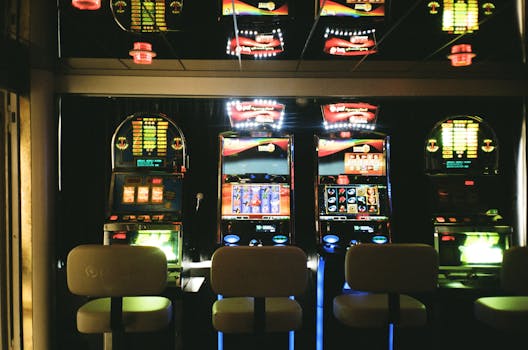
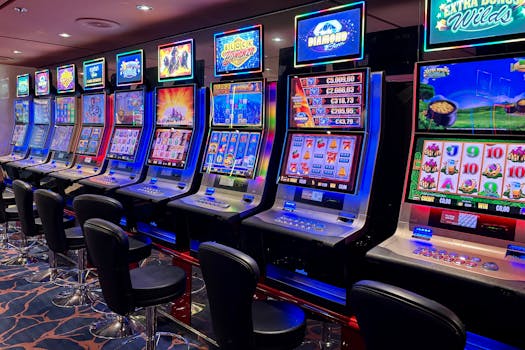
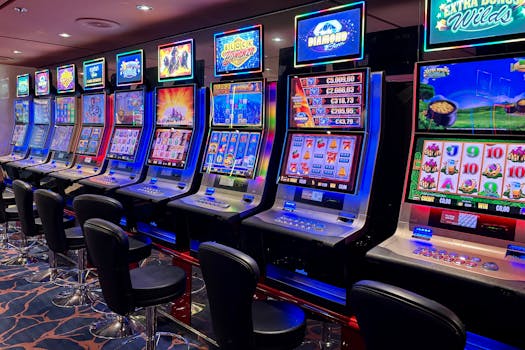
Today, slot machines are a fundamental aspect of both land-based and online casinos. Modern slots incorporate advanced graphics, surround sound audio, and interactive gameplay. The use of Random Number Generators (RNGs) ensures fairness in play, reflecting the industry's move towards greater transparency and trust.
The Future of Slot Machines
As we look to the future, it is clear that slot machines will continue to evolve. The integration of virtual reality, augmented reality, and more sophisticated gaming networks is likely to transform slots into even more immersive experiences. Moreover, the changing attitudes toward gambling, driven by both regulatory and consumer trends, will continue to shape the development of these beloved machines.
Conclusion
The history of slot machines mirrors the broader trends in technology and society. From the Liberty Bell to the latest online video slots, these machines have adapted to legal, technological, and consumer changes. As we continue to advance technologically, it will be intriguing to see how slot machines evolve to meet the needs of future generations of players, continuing their legacy as a cornerstone of casino entertainment.