The evolution of slot machines from their mechanical roots to today's high-tech digital platforms is a fascinating tale of technological innovation and changing cultural tastes. Slot machines, often known as one-armed bandits, have grown from simple mechanical devices to complex digital systems that offer immersive gaming experiences.
The Beginnings: Mechanical Slot Machines
The story of slot machines begins in the late 19th century. The first notable slot machine was the Liberty Bell, invented by Charles Fey in the 1890s in San Francisco. This machine was entirely mechanical, featuring three spinning reels with a small number of symbols. When the same symbols lined up, the machine paid out. Players operated the machine by pulling a lever, a method that gave rise to the nickname "one-armed bandit."
.png)
These early machines set the foundation for the slot machine industry, and mechanical slots remained popular throughout the first half of the 20th century. However, they had limitations, such as a lack of variety in games and simpler outcomes, which eventually led to innovations and the birth of digital slot machines.
Transition to the Digital Age
The digital revolution of slots began in the 1970s when the first video slot machine made its debut. This machine used a modified 19-inch Sony TV as a display and electronic components to manage the game. This marked a significant shift from mechanical gears and levers to digital screens and software.
Digital technology brought several advantages over traditional machines. For one, it allowed for more complex games with multiple paylines. It also enabled the incorporation of themes and enhanced graphics, making the games more engaging and entertaining.
The Rise of Random Number Generators (RNGs)
One of the key components of digital slots is the Random Number Generator (RNG). This technology ensures that each spin is independent of the last and that outcomes are based on chance, not manipulation. RNGs have helped improve the credibility and fairness of slot games, making them more appealing to players.
Thematic Variety and Enhanced Gameplay
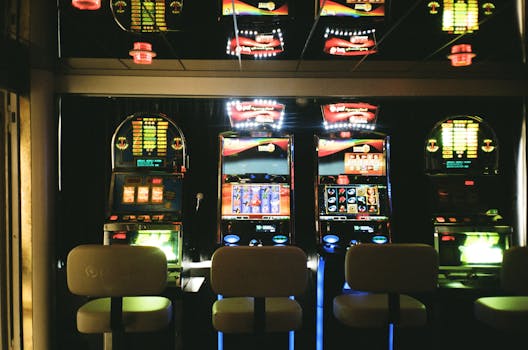
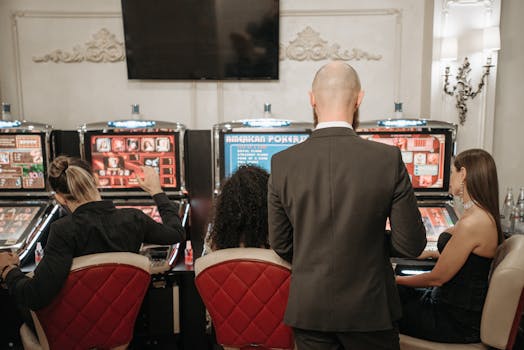
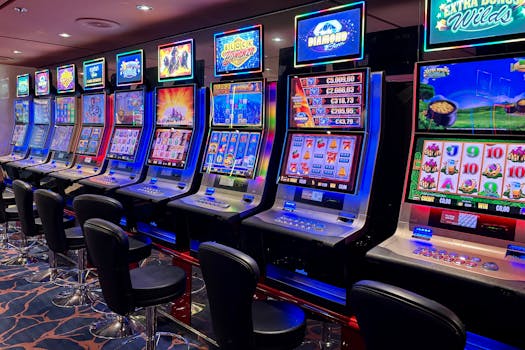
Modern digital slots feature a wide range of themes and storylines, from ancient civilizations and classic films to fantasy landscapes and popular TV shows. This variety keeps the gameplay exciting and helps attract a broader audience. Additionally, modern slots include interactive elements like touchscreens and bonus rounds, further enhancing player engagement.
Progressive Jackpots and Networked Gaming
Digital technology has also enabled the networking of slot machines across different locations to create progressive jackpots. These jackpots increase every time someone plays and doesn't win, often accumulating into massive payouts. The potential for life-changing wins has made progressive slots extremely popular among players.
Online and Mobile Adaptations
The digital revolution has not been confined to physical casinos. Online and mobile platforms have taken slots to a global audience, allowing players to enjoy their favorite games from anywhere in the world. This accessibility has helped the casino industry expand its reach significantly.
Nostalgia for Mechanical Slots
Despite the advantages of digital slots, there is a nostalgic allure to mechanical slot machines. Many players appreciate the tactile nature of these machines—the feel of pulling the lever and the sound of coins clinking. Some casinos preserve these older machines, offering them alongside more modern games to cater to all preferences.
Conclusion
The evolution from mechanical to digital slot machines is a testament to the innovative spirit of the casino industry. This transformation has not only made slot games more engaging and varied but also more accessible. As technology advances, it will be interesting to see how new innovations will continue to shape the future of slot gaming, potentially with virtual reality and enhanced interactivity. The journey of slot machines is a clear indicator of the dynamic nature of gaming technology, where the potential for innovation is endless.