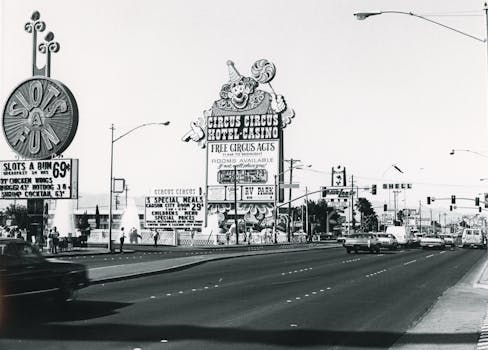
Casinos, particularly through their slot machines, play a complex role in the economic dynamics of local communities. Understanding both the positive and negative impacts of these entertainment hubs is crucial for stakeholders ranging from local government officials to residents and business owners.
Positive Economic Impacts
- Job Creation: Casinos are labor-intensive enterprises. The operation of slot machines requires not only direct employees who manage and maintain the casino floors but also indirectly supports jobs in sectors like construction, security, and hospitality. This can lead to a significant boost in local employment rates.
- Tourism Boost: Slot machines and the vibrant atmosphere of casinos attract tourists, which benefits local hotels, restaurants, and other attractions. The influx of visitors means an increased demand for local services and goods, contributing to the overall economic vitality of the area.
- Revenue Generation: Casinos generate substantial tax revenue from slot machine earnings. This revenue can be instrumental in funding public projects such as infrastructure improvements, schools, and community centers, which play a significant role in enhancing community welfare.
Negative Economic Impacts
.png)
- Economic Dependency: Heavy reliance on revenue from casinos can make local economies vulnerable to fluctuations in the industry. Economic downturns or decreased visitor interest can lead to a significant drop in casino revenue, impacting those dependent on this sector for employment and public services.
- Local Business Impact: While casinos attract tourists, they can also divert spending away from other local entertainment and cultural establishments. If local residents spend more at casinos, they might spend less at local small businesses, potentially leading to a decline in the broader local economy.
- Low-Wage Employment: Many jobs created by casinos, particularly those directly related to the operation of slot machines, are often low-wage. This can mean that while employment rates may improve, the quality of life and economic mobility for employees might not significantly increase.
Social and Economic Considerations
The presence of casinos can also lead to social challenges, including problem gambling which can have economic consequences such as increased debt levels and bankruptcy rates, potentially increasing social services costs. Mitigating these impacts requires effective community outreach and programs aimed at promoting responsible gambling.
Balancing the Ledger
The key for local communities is to develop strategies that maximize the benefits of casinos while minimizing potential harms. This can include:
- Regulatory Measures: Implementing and enforcing regulations that ensure casino operators engage in fair and responsible business practices.
- Diversified Economic Development: Encouraging the growth of other industries to reduce the local economy’s dependency on casino revenue.
- Community Investment: Ensuring that a portion of casino revenues is invested back into the community to support social services, education, and infrastructure.
In conclusion, while casino slots can be a significant source of economic activity, they bring with them a set of challenges that need careful management. Effective policy-making and community engagement are essential in harnessing their economic benefits while safeguarding against potential negative impacts.