Breaking Down the Odds in Casino Slots
Slots are a major draw in both land-based casinos and online platforms, captivating players with their flashy lights and potential for substantial payouts. Understanding how the odds work in these machines is essential for any gambler looking to have fun and increase their chances of winning. In this article, we'll explore the mechanics of slot odds, discuss different types of slots, and provide practical advice for managing your slot-playing experience.
Introduction to Slot Machine Odds
.png)
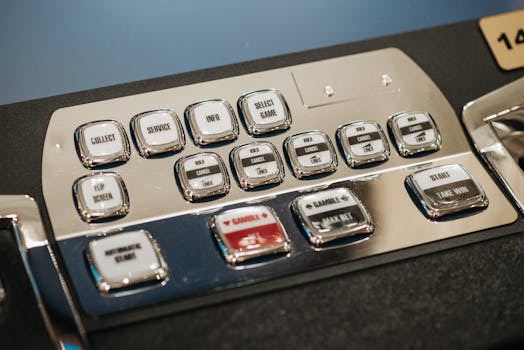
Slot machines use a complex system called a random number generator (RNG) to determine the outcome of each spin. The RNG ensures that each spin is independent from the last, making it impossible to predict the next result based on previous outcomes. This system is what makes slot games purely a game of chance.
Understanding Payback Percentages
The payback percentage is a critical concept when discussing slot odds. It represents the amount of money a slot machine is programmed to return to players over an extended period. For instance, a machine with a 95% payback percentage theoretically returns $95 for every $100 wagered. These percentages vary among machines and are set to maintain a profit margin for the casino.
The Role of Volatility
Volatility is another important factor in choosing a slot machine. It describes the risk associated with playing a specific slot. High volatility slots are known for their rare but large payouts, appealing to those who enjoy a high-risk, high-reward gaming approach. Low volatility slots, however, offer smaller payouts but do so more frequently, which might appeal to more conservative players.
Comparing Progressive vs. Non-Progressive Slots
Progressive slots are interconnected within a network, with a portion of each bet made contributing to a communal jackpot. The odds of winning this jackpot are very low, comparable to winning a lottery, but the potential reward can be life-changing. Non-progressive slots, in contrast, reward players more frequently but with smaller amounts, making them suitable for those looking for more consistent winnings.
Practical Examples
For practical understanding, imagine a player opts for a non-progressive slot with a high payback percentage and low volatility. This choice is likely to result in smaller, more frequent wins, suitable for players who prefer a steady play session. On the other hand, a player seeking a thrill may choose a high volatility, progressive slot, accepting the lower odds of winning in exchange for the chance of a massive jackpot.
Conclusion and Recommendations
Grasping the odds of casino slots can significantly enhance your playing experience. It's important to select machines that match your risk tolerance and playing preferences. Whether online or in a physical casino, make informed decisions and play responsibly, keeping within your financial limits to enjoy the entertainment aspect of slots without undue financial stress. Remember, while the outcomes are unpredictable, understanding the game mechanics can help you manage your expectations and bankroll more effectively.