The captivating world of casino slot machines is not just about the flashing lights and the chance to win big; it's also profoundly influenced by sound. Sound plays a crucial role in creating an engaging and immersive experience for players. This article explores how sound impacts player behavior and the overall atmosphere in casinos.
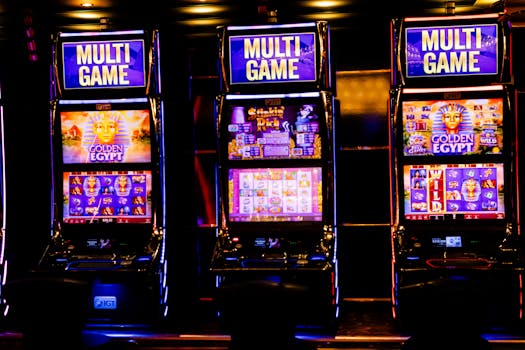
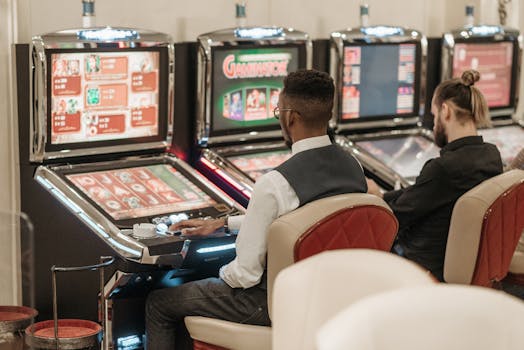
When you walk into a casino, the first thing that likely hits you is a wall of sound: the jingling of coins, the buzz of excited voices, and, most prominently, the sounds emanating from the slot machines. Each noise serves a purpose, crafted to enhance the gaming experience and keep players engaged.
Psychological Impact of Sound
.png)
The sounds from slot machines are carefully designed to stimulate excitement and create a sense of satisfaction. These sounds, whether they be the clinking of coins or the celebratory tunes that play for a win, are meant to trigger emotional responses that encourage continued play. For instance, even when players score a small win, the slot machine celebrates it with enthusiastic sounds, comparable to those of a much larger jackpot. This auditory reinforcement can make players feel more successful and encourage them to keep playing.
Researchers have found that sound can affect players’ perception of their time spent playing and their overall enjoyment. A study from the University of Waterloo found that players tend to play longer and bet more when an engaging sound accompanies winning symbols. The audiovisual effects that come with hitting a payline help to disguise losses as wins, which can be particularly compelling for players to continue their game.
Sound Design in Slot Machines
Creating the perfect sound for a slot machine involves a blend of psychology and artistry. Sound designers must understand the emotional pull of different sounds and how they interact with the human psyche. The key is to create a soundscape that keeps players alert and engaged but not overwhelmed.
High-pitched, energetic noises are often used because they grab attention more effectively than lower, softer sounds. These sounds heighten the sense of winning and excitement. Moreover, each game has its unique soundtrack designed to fit the theme and aesthetic of the game, whether it's an adventure, a fantasy, or a traditional slot game.
The Role of Music
Music also plays a significant role in the environment of slot machines. Background music is typically soft, soothing, and designed to make players feel comfortable and relaxed, encouraging them to stay longer at the machine. On the other hand, winning sounds are often loud and celebratory. This contrast ensures that wins are felt as exciting and rewarding moments.
Manipulating Emotions and Behavior
Casinos also use sound to manipulate emotions and control player behavior. By controlling the tempo and volume of music, casinos can create an atmosphere that subtly influences how much time and money players spend. Faster music can increase the rate at which players bet, while softer, slower music can calm players and encourage them to stay longer.
Ethical Considerations
The use of sound in slot machines raises ethical questions. Since sound can significantly influence decision-making and encourage riskier betting, it is crucial for the industry to consider how these practices affect players, especially those vulnerable to problem gambling. Transparency about the psychological effects of sound in slot machines and promoting responsible gambling practices are vital steps for the industry.
Conclusion
In conclusion, sound is a powerful tool in the arsenal of casino slot machines, designed to create an immersive and engaging player experience. From the jingles of winning to the soothing tones of background music, every sound in a slot machine is there for a reason. While these sounds can enhance enjoyment and excitement for the game, they also raise important ethical considerations. As we move forward, understanding and managing the influence of sound in gambling environments will be crucial for ensuring that gambling remains a safe and enjoyable pastime.