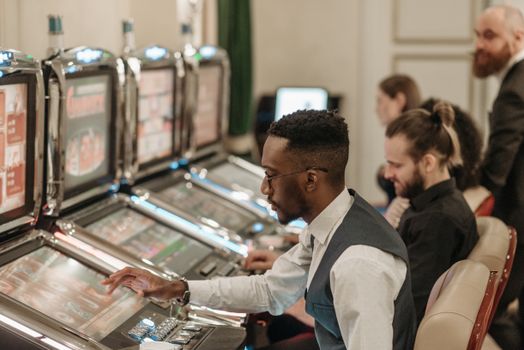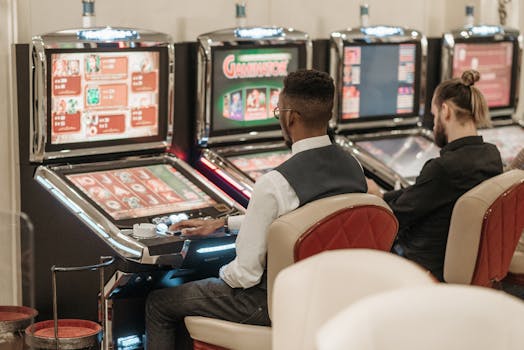
The world of casino gaming is entering a new era as artificial intelligence (AI) begins to transform the very heart of slot machines. No longer confined to their classic mechanical origins or even the digital leaps of the last two decades, slots are now on the brink of an AI-driven revolution. But what does this mean for players, casinos, and the future of gaming? Let’s explore how AI is weaving its way into casino slots, what innovations are on the horizon, and how this technology could redefine both the gambling experience and industry standards.
The Rise of AI in Casino Slots: A Game-Changer Unfolds
Artificial intelligence is already leaving its mark on industries ranging from healthcare to finance, and gaming is no exception. In the context of casino slots, AI refers to computer systems that can analyze data, learn from player behaviors, and make real-time decisions that influence the gaming environment. According to a 2023 report by MarketsandMarkets, the global AI in gaming market is projected to reach $11.5 billion by 2027, with casino gaming representing a significant growth segment.
AI’s integration into slots is not just about smarter algorithms—it’s about creating a dynamic experience that adapts to each individual. Traditionally, slot machines have relied on random number generators (RNGs) to determine outcomes, ensuring fairness and unpredictability. While RNGs remain fundamental, AI adds a new layer of responsiveness, personalization, and efficiency.
.png)
For instance, AI can analyze how long a player spends on a machine, which games they prefer, and even when they tend to increase or decrease their bets. Armed with this information, casinos can tailor experiences, offer personalized bonuses, or adjust game recommendations on the fly—all aimed at keeping players engaged.
Personalized Player Experiences: Tailoring Slots Like Never Before
One of the most exciting prospects of AI in slots is the ability to create highly personalized gaming experiences. Imagine walking into a casino or logging onto an online platform, and the slot games you see are curated specifically for your tastes, skill level, and playing patterns.
AI-driven systems can track and analyze data points such as:
- Average bet size - Time of play - Game genre preferences - Bonus feature engagementBy crunching these numbers, AI can recommend games with themes, volatility, and bonus structures that align with what keeps you entertained. For example, if data shows you enjoy high-volatility slots with frequent bonus rounds, the system will prioritize displaying these games.
A study by Juniper Research in 2022 found that 68% of online gamblers are more likely to return to a platform that offers personalized game recommendations. This level of customization not only enhances player satisfaction but also increases retention rates for casinos, setting a new standard for customer-centric gaming.
AI-Powered Responsible Gambling: Guarding Players and the Industry
While much of the discussion around AI and slots focuses on entertainment, AI’s role in promoting responsible gambling is gaining significant attention. Problem gambling affects millions worldwide, with the National Council on Problem Gambling estimating that 2-3% of the U.S. adult population experience gambling-related issues.
AI can be a powerful ally in identifying risky behaviors early. Advanced algorithms can monitor player patterns for signs of problematic play, such as:
- Chasing losses - Extended sessions without breaks - Sudden increases in bet amountsWhen these red flags are detected, AI systems can intervene by sending notifications, suggesting breaks, or even temporarily restricting play. Some online casinos already employ AI tools that trigger “cool-off” periods or provide access to responsible gambling resources when risky behavior is observed.
This proactive approach not only protects players but also helps casinos comply with regulatory requirements, fostering a safer, more sustainable industry reputation.
AI Versus Traditional Slot Design: A Comparative Look
To truly grasp the impact of AI, it’s helpful to contrast it with traditional slot machine design. The following table highlights key differences:
| Feature | Traditional Slots | AI-Enhanced Slots |
|---|---|---|
| Game Outcomes | Random (RNG based) | Random (RNG) plus dynamic features based on player data |
| Personalization | Minimal; same for all users | High; tailored themes, bonuses, and game suggestions |
| Responsible Gambling | Static warnings, self-exclusion options | Real-time monitoring, proactive interventions |
| Game Updates | Manual updates, limited frequency | Continuous optimization driven by AI analytics |
| Player Engagement | Generic, one-size-fits-all | Dynamic, evolving based on individual behaviors |
These advancements are already being piloted in a few forward-thinking casinos. For example, in 2023, a major European online casino reported a 22% increase in player retention after implementing AI-driven personalization tools compared to their traditional offerings.
The Future of Slot Game Design: Innovation and Immersion
AI’s influence on slot machines extends beyond personalization and safety. It is reshaping the very nature of game design, making slots smarter, more interactive, and immersive.
One major trend is the integration of adaptive difficulty. Just as video games can adjust their challenge based on a player’s skill level, AI-powered slots can introduce bonus rounds, special features, or changing volatility to keep the experience fresh. This adaptability not only increases entertainment value but also ensures that both novice and experienced players find enjoyment.
AI is also paving the way for “story-driven” slots, where the game narrative evolves based on player choices and actions. This approach borrows from interactive storytelling in video games and can create a deeper, more engaging slot experience.
Additionally, AI can optimize in-game graphics and sound effects in real time, tailoring the sensory experience to what has proven to engage each player most effectively. For example, if a player responds positively to certain visual themes or sound cues, the game can subtly enhance these elements in future sessions.
Regulatory and Ethical Considerations in the Age of AI Slots
With all the promise that AI brings to casino slots, it also introduces new regulatory and ethical challenges. The use of player data raises questions about privacy, consent, and data security. Regulators are increasingly scrutinizing how AI systems collect, store, and use information, especially in jurisdictions with strict data protection laws such as the European Union’s GDPR.
Transparency is another key concern. Players need assurance that AI is not being used to manipulate outcomes unfairly or encourage excessive gambling. Industry leaders are responding by implementing clear disclosures and third-party audits of AI algorithms to ensure fairness and accountability.
Ethically, there’s an ongoing debate about the boundary between enhancing entertainment and exploiting cognitive biases. As AI becomes better at predicting player behavior, casinos must balance profit motives with a duty of care to their customers.
In 2023, the UK Gambling Commission introduced new guidelines requiring casinos to disclose the use of AI in game personalization and responsible gambling interventions. Similar regulations are expected to be adopted in other major markets over the next few years.
What the Future Holds for AI and Casino Slots
The integration of AI into casino slots is still in its early stages, but the trajectory is clear: smarter, safer, and more personalized gaming is on the horizon. As technology evolves, players can expect slot experiences that are not only more engaging but also more responsive to their individual needs and habits.
Casinos stand to benefit from increased retention, improved regulatory compliance, and opportunities for innovative game development. Meanwhile, the broader industry will need to navigate the complex ethical and regulatory landscape that comes with powerful new tools.
Ultimately, AI in slots represents a future where the boundary between technology and human experience is more seamless than ever—offering both excitement and responsibility in equal measure.