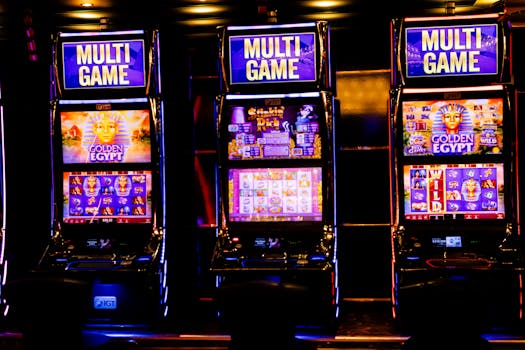
In the digital age, the integrity of online casino games, particularly slots, is of utmost importance to maintain player trust and regulatory compliance. Cryptography serves as a cornerstone in safeguarding the fairness and security of online slots, ensuring that every spin is random and protected from both internal and external manipulations.
What is Cryptography?
Cryptography involves creating and deciphering codes and encrypted texts, enabling secure communication in the presence of third parties with potentially malicious intent. In the context of online casinos, cryptography is used to randomize game outcomes, protect player data, and ensure that all transactions are securely conducted.
.png)
Random Number Generators (RNG)
The heart of an online slot game is the Random Number Generator (RNG). This tool uses cryptographic algorithms to generate long sequences of apparently random numbers that dictate the outcomes of games. The randomness provided by RNGs ensures that each spin is independent and that winning or losing is based solely on chance, replicating the fairness of physical casino slots.
Data Encryption
To protect players' personal and financial information, online casinos employ data encryption methods. Using cryptographic protocols such as SSL (Secure Socket Layer) and TLS (Transport Layer Security), casinos ensure that all data exchanged between players and the casino is unreadable to anyone who might intercept it. This encryption secures everything from credit card transactions to personal data, providing a safe online environment for players.
Provably Fair Gaming
An innovation in online gambling, provably fair gaming, leverages cryptographic hashes to allow players to verify the fairness of each game outcome. Before each spin, a seed number is generated and hashed (encrypted). After the spin, the player can compare the hash provided before the game with the hash they can generate with the seed; if the two hashes match, the game is proven fair. This transparency fosters trust and reassures players about the unbiased nature of the gaming process.
Digital Signatures
To further ensure the integrity and authenticity of casino games, digital signatures are used. These cryptographic signatures confirm that game software has not been altered since it was last certified by the developers or regulators. This is crucial for player trust, as it guarantees that the games operate as advertised and comply with regulatory standards.
Blockchain Technology
The incorporation of blockchain technology into online gaming is enhancing the role of cryptography in casinos. Blockchain provides a decentralized ledger that records all transactions across a network of computers. This process ensures that once a transaction has been logged, it cannot be altered. For online slots, this means that each game's outcome can be independently verified and traced back to its source, ensuring both transparency and fairness.
Regulatory Compliance
Regulatory bodies use cryptographic techniques to audit online casinos and ensure compliance with legal standards. By reviewing the implementation of RNGs and other cryptographic measures, regulators can certify that a casino offers fair gameplay and adheres to the industry standards of security and player protection.
Conclusion
Cryptography is indispensable in modern online casinos, particularly for slots. It ensures the randomness of game outcomes, secures player data, and validates the fairness and integrity of every game. As online gambling evolves, the role of cryptography becomes increasingly critical, continuing to safeguard player trust and meet rigorous regulatory standards. Players engaging in online slot games can thus feel assured that they are participating in secure, fair, and enjoyable gaming experiences.