The Psychology Behind the Popularity of Casino Slots
Slot machines have long been a staple of casinos, from the clinking mechanical reels of the early 20th century to the vibrant, touch-screen marvels occupying today’s gaming floors and online platforms. But why are these games of chance so universally appealing? Their popularity goes beyond mere luck or the allure of jackpots. The enduring fascination with slots is deeply rooted in human psychology, blending sophisticated design with innate behavioral triggers. This article delves into the psychological mechanisms that make casino slots irresistible for millions worldwide.
The Allure of Uncertainty: How Variable Rewards Hook Players
One of the core psychological factors driving slot machine popularity is the principle of variable ratio reinforcement. Unlike games that reward players at predictable intervals, slots provide rewards (wins) at unpredictable, random intervals. This mechanism, studied extensively in behavioral psychology, is known to be the most powerful way to encourage repeated actions.
B.F. Skinner, a pioneering psychologist, demonstrated that animals (and by extension, humans) are more likely to repeat behaviors that are rewarded on an unpredictable schedule. This explains why slot players often keep spinning, even after long losing streaks—the next big win could be just one spin away.
.png)
Casino slot machines are programmed with a Return to Player (RTP) rate, typically ranging from 85% to 98%. This means that, over time, the machine will pay out a percentage of the money wagered. Yet, the payout is distributed unevenly, with occasional big wins and many small losses. The uncertainty and anticipation of a potential reward keep players engaged, triggering dopamine release in the brain—a neurotransmitter associated with pleasure and motivation.
Sensory Appeal: Lights, Sounds, and Graphics as Psychological Triggers
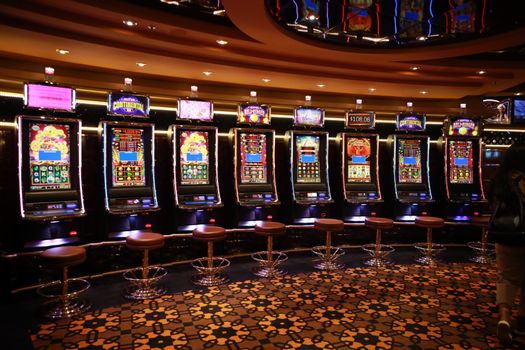
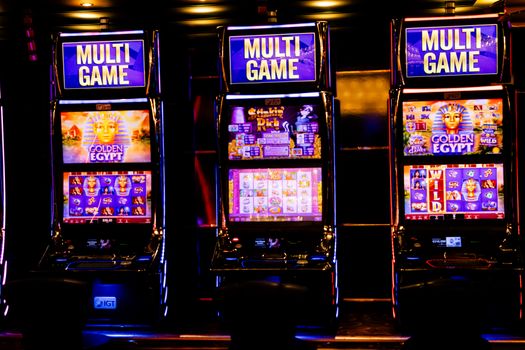
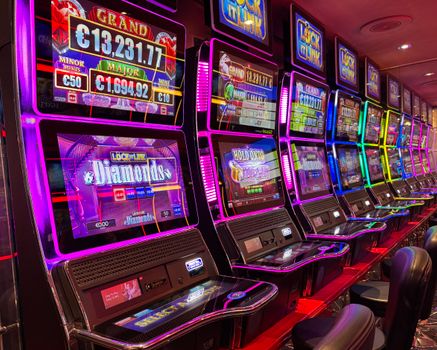
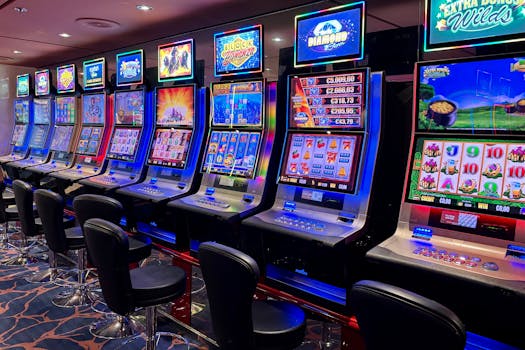
Slots are designed to be visually and aurally stimulating. The combination of flashing lights, celebratory sounds, and vibrant graphics is no accident. Each element is crafted to enhance excitement and reinforce continued play.
A study conducted by the University of British Columbia found that even near-misses—when symbols almost align for a big win—activate the same brain regions as actual wins. Slot machines capitalize on this by providing frequent near-misses, coupled with sensory feedback. The celebratory jingles and animations that accompany even minor wins contribute to an atmosphere of excitement and satisfaction, regardless of the actual payout.
Modern slot machines can feature up to 1,024 paylines and dozens of interactive bonus rounds. The sheer variety and complexity of these games create an immersive experience, making it easy for players to lose track of time and money. The sensory overload is a deliberate design choice, exploiting our natural responses to stimuli.
The Role of Cognitive Biases in Slot Machine Engagement
Slot machine popularity is also fueled by cognitive biases—systematic errors in thinking that affect decision-making.
One prominent bias is the Gambler’s Fallacy, the belief that past outcomes influence future results in games of chance. For example, after a long losing streak, a player may believe a win is “due.” This is not true for independent random events like slot spins, but the perception persists, encouraging continued play.
Another bias is the Illusion of Control. Many slot games allow players to choose the number of paylines or adjust bet sizes, giving a false sense of influence over the outcome. In reality, these choices do not affect the random number generator (RNG) determining the results, but the semblance of control keeps players engaged.
Loss aversion also plays a role. Research shows that people are more motivated to avoid losses than to acquire equivalent gains. In slots, “losses disguised as wins” (LDWs) occur when a player “wins” less than their original bet, yet the machine celebrates as if it were a real win. A 2013 study published in the Journal of Gambling Studies found that LDWs can trick the brain into feeling rewarded, even when money is lost, perpetuating further play.
Social and Cultural Factors: Community, Ritual, and Escape
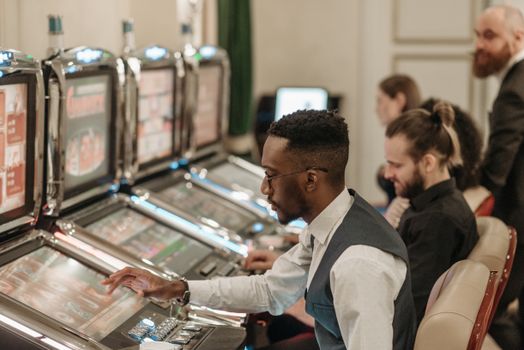
Beyond individual psychology, social and cultural factors contribute to the popularity of slot machines. For many, playing slots is a communal activity, whether at a bustling casino or in an online chat room. Observing others win, sharing stories, or participating in tournaments adds a layer of social reinforcement.
Rituals and superstitions also abound. Players may have “lucky” machines or specific routines believed to increase their chances of winning. These rituals create a sense of personal connection and agency within an otherwise random activity.
Culturally, slots are often seen as a harmless form of entertainment, accessible to a wide demographic. With minimum bets as low as a penny, virtually anyone can participate. In the United States alone, slot machines generated over $33 billion in revenue in 2022, accounting for more than 70% of casino gaming revenue. The ease of play, combined with widespread cultural acceptance, cements slots as the gateway to gambling for many.
Online Slots and the Rise of Personalized Gaming
The digital revolution has propelled slot machine popularity to new heights. Online slots offer unprecedented access, with thousands of themes, features, and bet levels available at the click of a button or tap of a screen. This customization enhances player engagement by catering to individual preferences.
Many online platforms use data analytics to personalize content, recommend games, or offer targeted bonuses. This personalization taps into the psychological principle of “surprise and delight,” increasing the likelihood of sustained play. In 2023, the online gambling market was valued at $92.9 billion globally, with online slots accounting for a significant share.
Moreover, online slots leverage social features such as leaderboards, tournaments, and chat functions, replicating the communal atmosphere of brick-and-mortar casinos. The convenience and anonymity of online play also lower barriers for newcomers, expanding the player base.
Comparing Slot Machines to Other Casino Games: A Psychological Perspective
Understanding why slots dominate casinos requires a comparison with other popular games. The table below contrasts key psychological factors between slot machines and other common casino games:
| Feature | Slot Machines | Table Games (e.g., Blackjack, Poker) |
|---|---|---|
| Reward Schedule | Variable, unpredictable | More predictable, skill-influenced |
| Sensory Stimulation | High (lights, sounds, visuals) | Moderate (dealer, chips, cards) |
| Skill Requirement | None (pure chance) | Moderate to high (strategy, math) |
| Perceived Control | Illusion of control via choices | Actual control through decisions |
| Social Interaction | Low to moderate | Moderate to high |
| Accessibility | Very high; easy to learn/play | Requires learning rules/strategy |
This comparison shows how slot machines maximize psychological triggers, requiring no skill but delivering high excitement and accessibility.
Final Thoughts: The Enduring Psychological Pull of Casino Slots
The popularity of casino slots is no accident. Their design leverages powerful psychological principles, from the unpredictability of rewards to sensory stimulation and cognitive biases. Coupled with cultural acceptance, community features, and digital accessibility, slot machines satisfy deep-seated human desires for excitement, novelty, and escape.
While slots can provide harmless entertainment for many, it’s important to be aware of the psychological mechanisms at play—especially for those prone to compulsive behavior. Understanding the psychology behind slots can empower players to make informed decisions and enjoy these games responsibly.