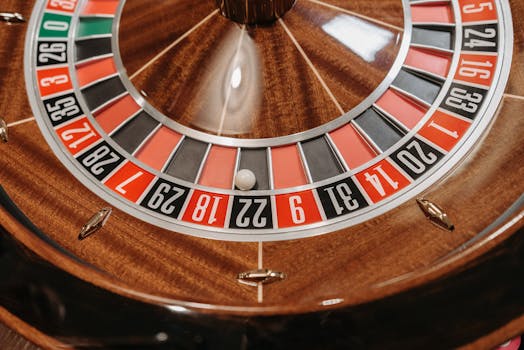
Decoding the Odds: An Insider's Guide to Casino Slots
Casino slots are the glittering heart of gaming floors, both in land-based venues and online platforms. With their captivating lights, endless themes, and heart-pounding anticipation, slot machines draw billions of players worldwide. But behind every spin lies a complex world of probabilities, mathematical models, and industry secrets that govern your chances of winning. If you've ever wondered what really determines the outcome of a slot spin, or how to interpret the numbers behind the reels, this guide is for you. Read on as we unravel the mysteries of slot odds and empower you to play smarter.
Understanding Slot Machine Odds: The Basics
At their core, slot machines are games of chance. Each spin is independent, determined by algorithms that ensure randomness. However, “random” does not mean “unpredictable” from a statistical perspective. Slot odds are calculated using two main factors: Return to Player (RTP) and house edge.
- Return to Player (RTP): This is the percentage of all wagered money that a slot will pay back to players over time. For example, a slot with a 96% RTP will, in theory, return $96 for every $100 wagered, though not necessarily to a single player or in a single session. - House Edge: The difference between 100% and the RTP. It represents the casino’s expected profit from player bets.In the United States, the average RTP for slots ranges from 85% to 98%, depending on the jurisdiction and game. In the UK, regulations require online slots to clearly display their RTP, with most reputable games offering 94%-97%.
.png)
It’s crucial to understand that these numbers reflect long-term averages across millions of spins. In the short run, anything can—and often does—happen.
The Math Behind the Reels: How Probabilities Are Set
Each slot game is programmed to hit its RTP via a carefully designed set of probabilities. These are defined by the number of reels, the symbols on each reel, and the weighting of those symbols.
Modern slots use Random Number Generators (RNGs) to create fair outcomes. Here's how it works:
- Each possible position on each reel is assigned a number. - The RNG rapidly cycles through these numbers, selecting one at the exact moment you press “spin.” - The combination of numbers corresponds to a set of symbols, which determines the outcome.Let’s take a simplified example. Imagine a 3-reel slot with 10 symbols on each reel:
- Total possible combinations: 10 x 10 x 10 = 1,000 - If there’s one jackpot combination, your odds of hitting it on a single spin are 1 in 1,000.Of course, real slots are far more complex, with virtual reels and hundreds of possible stops per reel. This allows game designers to set precise odds for each prize.
Volatility and Variance: What They Mean for Players
Not all slots are created equal. Some deliver frequent small wins, while others pay out rarely but offer massive jackpots. This is where volatility (also called variance) comes in.
- Low-Volatility Slots: Offer many small, frequent wins. Ideal for players seeking extended play and fewer large swings. - High-Volatility Slots: Deliver infrequent but potentially huge payouts. These are riskier, but the rewards can be significant.Here’s a comparative overview:
| Feature | Low-Volatility Slot | High-Volatility Slot |
|---|---|---|
| Win Frequency | High | Low |
| Average Payout Size | Small | Large |
| Bankroll Fluctuations | Minimal | Significant |
| Best For | Longer sessions, casual play | Big win seekers, thrill chasers |
Understanding volatility helps you choose games that fit your playing style and risk tolerance. For example, “Starburst” is known for its low volatility, while “Dead or Alive II” offers high volatility and the possibility of enormous wins.
Payout Percentages: Land-Based vs. Online Slots
Where you play can have a significant impact on your odds. Multiple studies and regulatory filings have shown that online slots typically offer better payout percentages than their land-based counterparts.
- The Nevada Gaming Control Board reported in 2023 that the average slot payout in Las Vegas casinos was approximately 92%. - In contrast, most reputable online casinos offer slots with RTPs between 95% and 97%, sometimes even higher for specific titles.Why the difference? Online casinos have lower operating costs and face stiffer competition, enabling them to offer more player-friendly returns. In some European markets, regulatory frameworks mandate a minimum RTP, further protecting players.
If maximizing your odds is your primary concern, online slots often present better value—provided you stick to licensed, regulated sites.
Progressive Jackpots and the Real Cost of “Big Wins”
Progressive jackpots are a major draw for many slot enthusiasts. These games pool bets from multiple players, often across multiple casinos, to create life-changing prize pools. Mega Moolah, one of the world’s most famous progressive slots, paid out a record €19.4 million ($21.7 million) in 2021.
However, the odds of winning these enormous prizes are astronomical. The likelihood of hitting a Mega Moolah jackpot is estimated at around 1 in 49,836,032 spins. To balance these huge potential payouts, progressive slots often have lower RTPs—sometimes as low as 88%—than their non-progressive cousins.
It’s important to understand that while the allure of a massive jackpot is exciting, the long-term expected return is typically lower.
Skill vs. Luck: Can You Influence Slot Outcomes?
One of the most persistent myths is that skill or “timing” can influence the outcome of slot spins. In reality, slots are pure games of chance. The RNG ensures that each spin is independent and unaffected by past results, betting patterns, or player actions.
That said, players can make strategic choices about:
- Game selection (choosing higher RTP or lower volatility slots) - Bankroll management (setting limits and betting levels) - Taking advantage of promotions or free spins, which can increase overall valueBut there is no way to “beat” a slot machine in the long run. Any winning streak is purely the result of luck.
Responsible Play: Decoding Odds for Better Gambling Decisions
Understanding slot odds isn’t just about maximizing your chances—it’s about making informed, responsible choices. According to the American Gaming Association, over 60% of U.S. adults have gambled at least once, but only a minority understand the mathematical realities of casino games.
Key tips for responsible slot play:
- Treat slots as entertainment, not a source of income. - Set a strict budget before you play. - Consider the RTP and volatility of games before you start. - Take regular breaks and never chase losses.By demystifying the odds, players can enjoy the excitement of slots without falling into common pitfalls.
Final Insights: Empowering Your Slot Experience
Casino slots offer excitement, suspense, and the potential for big wins—or swift losses. By understanding the underlying odds, the impact of RTP and volatility, and the realities of progressive jackpots, you can make smarter choices and enhance your enjoyment. Remember, while luck rules the reels, knowledge is your best bet for a rewarding and responsible slot experience.