The Introduction of Skill-based Games in Casino Slots: Changing the Game
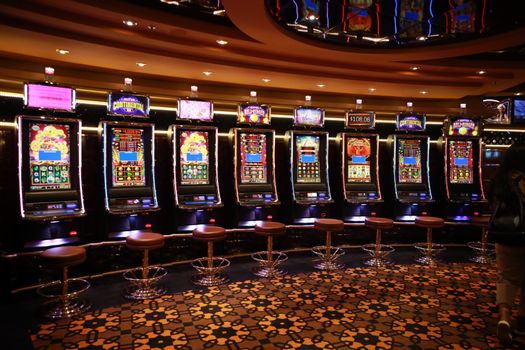
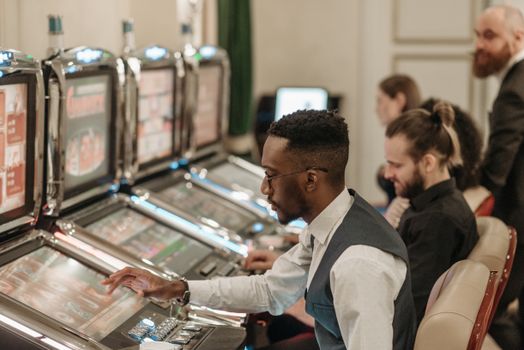
Casino slots have long been synonymous with chance, flashing lights, and the thrill of spinning reels. Traditionally, these games relied purely on luck—players pressed a button, watched the symbols tumble, and hoped for a winning combination. But as the gaming landscape evolves to meet the demands of a new generation, a revolutionary shift is underway: the rise of skill-based games in casino slots. This fresh approach is transforming the slot experience, blending entertainment, interactivity, and player agency in ways never seen before.
Why Skill-based Casino Slots Are Emerging Now
The introduction of skill-based elements into slot machines is not a random occurrence. It’s a direct response to changing player demographics and shifting entertainment expectations. Millennials—the generation born between 1981 and 1996—are now a dominant force in the gambling market. According to a 2022 report by the American Gaming Association, millennials make up over 30% of all casino visitors in the United States. Unlike previous generations, they tend to favor experiences and interactivity over passive forms of gambling.
A study by YouGov found that only 21% of millennials found traditional slot machines appealing, compared to 45% of baby boomers. Instead, millennials grew up on video games and mobile apps, where skill, strategy, and engagement are key. This shift in preferences is pushing casinos and game developers to rethink their offerings.
.png)
Skill-based slots aim to bridge the gap, offering games where a player’s ability can influence the outcome or at least the size of their winnings. This model not only appeals to younger players but also helps casinos differentiate themselves in an increasingly competitive market.
The Mechanics Behind Skill-based Slot Games
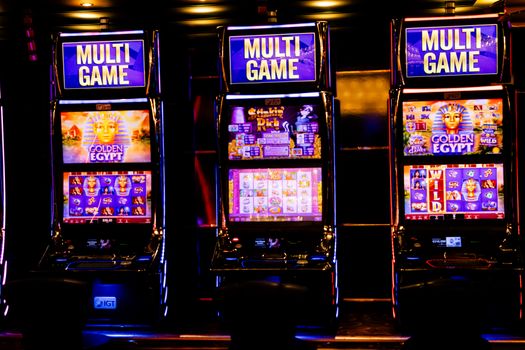
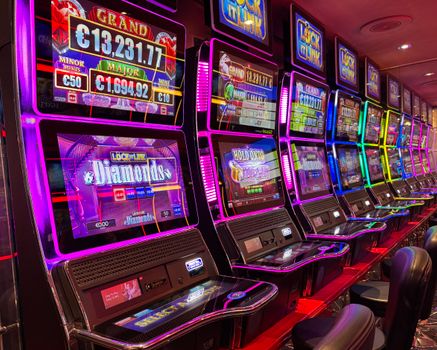
Skill-based slot games look similar to traditional slot machines on the surface—bright screens, immersive soundtracks, and themed graphics. However, beneath the surface, the gameplay mechanics are fundamentally different. Instead of relying purely on random number generators (RNGs), these games introduce bonus rounds or core features that require player input and skill.
For example, in a skill-based slot, you might spin the reels as usual but then enter a bonus round resembling a classic arcade game like "Space Invaders" or "Fruit Ninja." Your performance in this mini-game—how many targets you hit, for example—can directly impact the size of your bonus payout.
A notable example is Gamblit Gaming’s “Cannonbeard’s Treasure,” where players participate in a card game to determine their winnings. Another, “Danger Arena,” by GameCo, incorporates elements from first-person shooter games, where players’ shooting skills affect their rewards. These games blend chance (in the base slot play) with skill (in the interactive bonus rounds), creating a hybrid experience.
According to a 2023 report by Eilers & Krejcik Gaming, skill-based slots now account for about 2% of the U.S. casino floor, with steady growth projected as both operators and players become more accustomed to the format.
Comparing Traditional Slots and Skill-based Slots
To better understand how skill-based slots differ from their traditional counterparts, consider the following comparison:
| Feature | Traditional Slots | Skill-based Slots |
|---|---|---|
| Primary Determinant of Outcome | Luck (RNG) | Combination of Luck and Skill |
| Player Interaction | Minimal (press button, pull lever) | High (interactive bonus rounds, decision-making) |
| Appeal to Millennials | Low (21% interest) | High (greater engagement) |
| Win Frequency | Predetermined by odds | Partially influenced by player ability |
| Game Variety | Themed slots, simple mechanics | Arcade-style, skill challenges, diverse mechanics |
This table illustrates how skill-based slots are designed to offer a more active role for players, potentially increasing engagement and satisfaction—particularly among younger, tech-savvy audiences.
The Regulatory Challenges of Skill-based Casino Games
While the innovation behind skill-based slots is exciting, it presents a unique set of regulatory challenges. Gambling has always been tightly regulated to ensure fairness and protect both players and operators. Traditional slot machines are easy to regulate because they rely on RNGs, which can be independently tested and certified.
Skill-based slots, however, introduce variables that complicate the regulatory landscape. For instance, if a game’s outcome is influenced by the player’s ability, regulators need to ensure that all players have a fair chance and that the game does not favor certain skill levels disproportionately.
States like Nevada and New Jersey have begun to update their gaming regulations to accommodate these new machines. The Nevada Gaming Control Board, for example, issued rules in 2015 allowing for variable payouts based on skill. This means that casinos can now legally offer games where player performance impacts the outcome, provided the games are transparent and fair.
Despite these changes, some jurisdictions are slower to adapt. The challenge lies in balancing innovation with the need to prevent exploitation and maintain public trust. Ongoing collaboration between game developers, casinos, and regulatory bodies is essential to ensure a safe and enjoyable experience for all.
The Impact on Casino Business Models and Player Behavior
The adoption of skill-based slots is not just a trend; it’s reshaping core aspects of the casino business model. Traditionally, casinos relied heavily on slot machines for revenue, with slots accounting for roughly 70% of gaming floor income in the U.S. as of 2023, according to Statista.
However, the average slot player’s age is increasing, and younger players often spend less time and money on traditional slots. Skill-based slots provide casinos with a way to attract and retain these valuable younger customers. By offering experiences that blend gambling with familiar video game mechanics, casinos can increase player dwell time—the amount of time a player spends at a machine—and potentially boost overall revenues.
Moreover, skill-based slots open the door to competitive gaming and tournaments, further enhancing player engagement. Casinos have begun to host skill-based slot tournaments, where players can compete against each other for prizes, much like in eSports. These tournaments not only drive repeat visits but also create a sense of community among participants.
From the player’s perspective, skill-based slots offer a greater sense of control and accomplishment. Whereas traditional slots can feel monotonous, skill-based games reward practice and improvement, fostering a deeper emotional connection with the game.
Challenges and Criticisms: Not All Skill Games Are Created Equal
Despite their promise, skill-based slots are not without challenges and criticisms. One major concern is that the skill component in some games may be superficial, serving more as a marketing gimmick than a meaningful influence on outcomes. If players perceive the skill element as trivial or inconsequential, the novelty can quickly wear off.
Another challenge is the steep learning curve for some skill-based games. While millennials and Gen Z may welcome the complexity, older or casual gamblers might find these games intimidating, potentially alienating a long-established customer base.
Additionally, questions remain about responsible gaming. Skill-based slots could foster overconfidence in players, causing them to overestimate their chances of winning. According to a 2021 study published in the Journal of Gambling Studies, games that combine skill and chance can lead to higher rates of risky behavior, as players believe they can "beat the odds" through practice or strategy.
To address these concerns, game developers are focusing on transparency and clear communication—ensuring players understand how much influence their skills have, versus luck, and providing tutorials or practice modes to help players learn the ropes.
The Future of Skill-based Slots in the Casino Industry
The introduction of skill-based games in casino slots represents a pivotal moment for the industry. While adoption is still in the early stages—about 2% of casino floors as of 2023—experts predict significant growth in the coming years. As technology advances, we can expect even more sophisticated games that blend augmented reality, virtual reality, and social features.
In addition, the lines between physical and online casinos are blurring. Many online gaming platforms are experimenting with skill-based mechanics, offering multiplayer competitions and real-money tournaments. This hybrid model appeals to a global audience and leverages the convenience of digital platforms.
Ultimately, the success of skill-based slots will depend on striking the right balance—offering enough skill to engage and satisfy players, but not so much complexity that it deters casual gamblers. If done right, these games could redefine what it means to play—and win—at the casino.