The Shift from Mechanical to Digital Casino Slots: How Technology Reshaped the Slot Experience
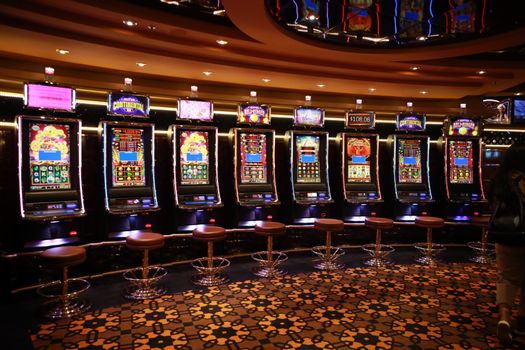
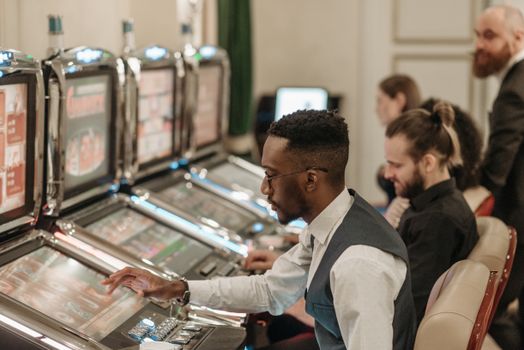
The mesmerizing spinning reels, cheerful jingles, and bright lights of slot machines have become iconic symbols of casinos around the world. But behind this glittering façade lies a story of remarkable transformation. Over the past century, casino slots have undergone a profound shift: from clunky, purely mechanical devices to sophisticated digital marvels that dominate modern gaming floors and online platforms alike. This technological evolution has not only changed how we play, but also how casinos design, operate, and profit from their slot machines.
In this article, we’ll journey through the historical shift from mechanical to digital casino slots, explore the technological advances that fueled this revolution, analyze how digitalization impacted both players and casinos, and consider what the future holds for slot gaming.
.png)
The Early Days: Mechanical Marvels and the Birth of the Slot Machine
The story of slot machines begins in the late 19th century. In 1895, Charles Fey, a San Francisco mechanic, invented the Liberty Bell machine—the first true slot machine. This mechanical device had three spinning reels and five symbols: horseshoes, diamonds, spades, hearts, and the Liberty Bell. Players would insert a coin, pull a lever, and hope for a matching combination to win a modest payout.
For decades, these machines remained almost entirely mechanical. Springs, gears, and levers determined the outcome of each spin. The familiar “one-armed bandit” design became widespread, as did the comforting tactile feel and audible clicks and clacks of moving parts. By the 1960s, slot machines accounted for roughly 8% of casino floors in Las Vegas, but their popularity was steadily growing.
Mechanical slots had their charm, but they were limited in several key ways: - Physical constraints capped the number of reels and symbols, limiting game variety. - Payouts were restricted by the size and design of internal hoppers. - Predictability and tampering were persistent concerns for casino operators.The Dawn of Digital: Video Slots and Microprocessor Magic
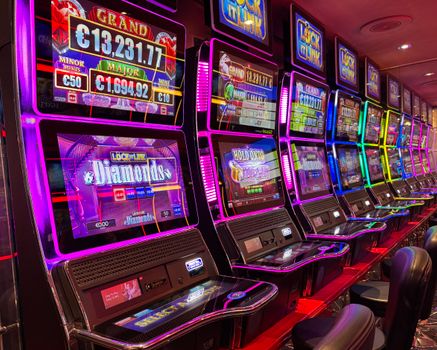
The 1970s and 1980s saw the first seismic shift in slot technology. The introduction of microprocessors and computerized random number generators (RNGs) paved the way for the first video slot machines. In 1976, the Fortune Coin Company developed the world’s first video slot, replacing physical reels with a video display.
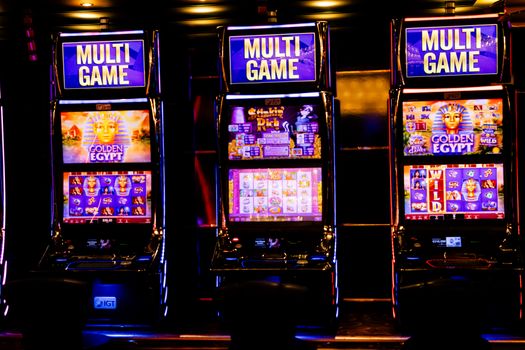
Microprocessors revolutionized slot design: - RNGs made outcomes truly random, improving fairness and security. - Video screens opened the door to multiple paylines and bonus features. - Digital memory allowed for more complex graphics, sounds, and payout tables.By 1990, digital slot machines had overtaken mechanical ones on most casino floors. The flexibility of digital platforms enabled game designers to unleash their creativity—introducing new themes, interactive features, and immersive experiences that would have been impossible with gears and springs.
The impact was immediate and profound: - By the early 2000s, slot machines accounted for over 70% of casino gaming revenue in the United States. - Modern video slots could feature up to 50 paylines and jackpots in the millions. - Maintenance and security improved, as digital machines were less prone to physical tampering or mechanical failure.Comparing Mechanical and Digital Slots: Key Differences
The shift from mechanical to digital slots wasn’t just a change in technology—it fundamentally altered the player experience, casino operations, and even regulatory oversight. The following table highlights several core differences:
| Aspect | Mechanical Slots | Digital Slots |
|---|---|---|
| Era of Dominance | 1895–1980s | 1980s–present |
| Reel Type | Physical, metal reels | Virtual, displayed on screen |
| Symbols per Reel | Typically 10–20 | Up to 100+ |
| Paylines | 1 (rarely more than 3) | Up to 50 or more |
| Bonus Features | Rare or simple | Advanced (free spins, mini-games, multipliers) |
| Randomness | Physical mechanics | Digital RNG algorithms |
| Payout Capacity | Limited by hopper size | Progressive jackpots, unlimited payouts |
| Maintenance | Frequent repairs | Remote diagnostics, fewer breakdowns |
How Digitalization Changed the Casino Floor and Player Behavior
The move to digital slots brought significant changes not just to the technology itself, but also to casino environments and player habits.
1. Enhanced Game Variety and Personalization Digital platforms made it easy to offer hundreds of different games, themes, and features. Players could now select slots tailored to their tastes—ranging from classic fruit machines to licensed games based on movies, TV shows, or celebrities. In Las Vegas alone, it’s estimated that over 200 new slot titles are introduced each year. 2. Increased Engagement and “Time on Device” With video slots, designers could add interactive bonus rounds, skill-based elements, and visually engaging graphics. Studies have shown that digital slots increase average “time on device”—the period a player spends at a single machine—by up to 30% compared to mechanical slots. 3. Data-Driven Casino Management Digital slots are networked, allowing casinos to monitor play patterns, track machine performance, and adjust payouts or features in real time. In 2022, over 85% of slot machines in U.S. casinos were connected to central management systems, enabling data analytics for both player marketing and machine optimization. 4. Responsible Gaming Features Digital technology has made it possible to integrate responsible gaming tools—such as self-exclusion options, session time limits, and real-time alerts—helping both players and operators promote safer gaming environments.The Rise of Online Slots: From Casino Floors to Living Rooms
Perhaps the most transformative impact of digital slot technology has been the rise of online and mobile gaming. The first online casinos emerged in the mid-1990s, but it was the 2000s that saw explosive growth in digital slots.
- In 2023, the global online slots market generated an estimated $25 billion in revenue. - Over 60% of all online casino play now occurs on mobile devices. - Major software providers like NetEnt, Microgaming, and Playtech have developed thousands of unique digital slot titles. Online slots offer several advantages over their land-based counterparts: - Instant access from anywhere with an internet connection - Expansive libraries, with some online casinos offering over 1,000 different slot games - Progressive jackpots that pool player bets across multiple countries, leading to record-breaking payouts (the largest online slot jackpot to date is over $24 million, won in 2015)The digital revolution has also enabled features such as social gaming, tournaments, and live-streamed slot play, creating new communities and social experiences around slots.
Security, Fairness, and Regulation in the Digital Age
As slots have gone digital, concerns about fairness, security, and regulation have evolved. Mechanical slots could be physically manipulated or tampered with, but digital slots require robust cybersecurity and regulatory oversight.
- RNG Certification: All reputable digital slot machines (online or land-based) use certified random number generators, which are regularly audited by third-party agencies such as eCOGRA and GLI. - Payout Transparency: Digital slots can display theoretical payout percentages (RTP) directly to players. Most modern video slots have RTPs ranging from 92% to 98%, compared to an average of 85% for older mechanical machines. - Anti-Fraud Measures: Advanced encryption, player authentication, and real-time monitoring help prevent hacking and fraud, both in casinos and online.Regulators in jurisdictions like Nevada, New Jersey, Malta, and the UK require strict compliance with technical standards to ensure player protection and game integrity.
What the Future Holds: Next-Generation Slots and Beyond
The shift from mechanical to digital slots is far from over. Today, the frontier of slot innovation includes:
1. Skill-Based Slots: These games blend traditional slot gameplay with elements of video gaming, attracting younger, more skill-oriented players. In 2023, over 150 casinos worldwide featured skill-based slot machines. 2. Virtual and Augmented Reality: VR and AR slots are beginning to appear, offering immersive, 360-degree gaming environments and interactive features. 3. Blockchain and Cryptocurrency Integration: Some online slot platforms now accept cryptocurrency payments and use blockchain to verify fairness, further enhancing transparency. 4. Personalized AI-Driven Experiences: Artificial intelligence enables casinos to tailor game recommendations and bonuses to individual preferences, creating a more engaging and customized gaming journey.As technology continues to evolve, so too will the world of slots—making the next chapter in this story as exciting as the last.