The Psychology Behind the Popularity of Casino Slots
From the dazzling lights to the hypnotic sounds, casino slot machines captivate millions of players every year. Whether in glitzy Las Vegas casinos or on digital platforms accessible from any smartphone, slots remain the most popular form of gambling worldwide. But what is it about these games that makes them so irresistibly engaging? The answer lies not just in luck or entertainment value, but deep within the human psyche. This article explores the psychological mechanisms that fuel the popularity of casino slots, uncovering the subtle interplay between design, behavior, and brain chemistry.
The Allure of Instant Gratification
One of the most powerful psychological hooks of slot machines is their ability to deliver instant feedback and gratification. Unlike other casino games that may require skill, strategy, or patience, slot machines provide immediate results—within seconds of pressing the “spin” button, players know whether they’ve won or lost. This rapid feedback loop triggers a surge of dopamine, the brain’s “feel-good” neurotransmitter.
Research published in the Journal of Gambling Studies found that slot machines can trigger dopamine release at levels similar to those produced by recreational drugs. This chemical rush reinforces the desire to keep playing, even after losses. According to a 2022 survey by the American Gaming Association, 67% of regular slot players cite the “quick outcomes” and “immediate excitement” as their favorite features of the game.
.png)
The phenomenon is further amplified by the near-miss effect—a carefully engineered outcome where the reels stop just short of a winning combination. Studies show that near-misses stimulate the same brain regions as actual wins, encouraging players to continue spinning in hopes of hitting the jackpot.
Variable Rewards and the Power of Uncertainty
At the heart of every slot machine is a psychological principle called the “variable ratio reinforcement schedule.” This is the same mechanism that makes social media notifications and smartphone games so addictive. In a variable ratio system, rewards are delivered unpredictably—sometimes after one spin, sometimes after dozens. The uncertainty of when (or if) the next win will occur keeps players engaged.
B.F. Skinner, a pioneering psychologist, demonstrated that animals (and humans) are most motivated to repeat a behavior when rewards are delivered on a random schedule. Slot machines are carefully designed to take advantage of this phenomenon. In fact, a typical slot machine has a payout percentage of about 90-96%, meaning for every $100 wagered, the machine pays back $90 to $96 in winnings over time. However, these payouts are distributed randomly, creating an environment where the next big win always feels possible—even if the odds are stacked against the player.
Here’s a comparison of variable ratio reinforcement in different contexts:
| Context | Type of Reward | Frequency of Reward | Psychological Effect |
|---|---|---|---|
| Casino Slots | Monetary wins | Random (every few to hundreds of spins) | High engagement, anticipation |
| Social Media | Likes/Notifications | Random (varies by post/activity) | Addictive checking behavior |
| Mobile Games | Level ups/bonuses | Random (by play or achievement) | Continued play, retention |
Visual and Auditory Stimulation: Sensory Engineering
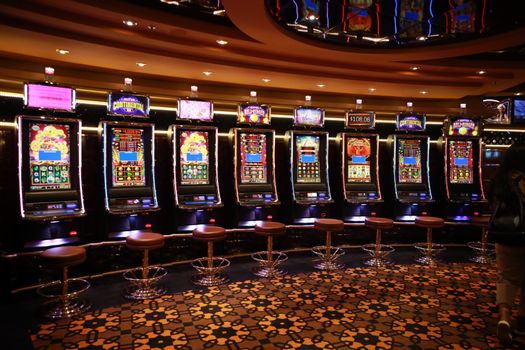
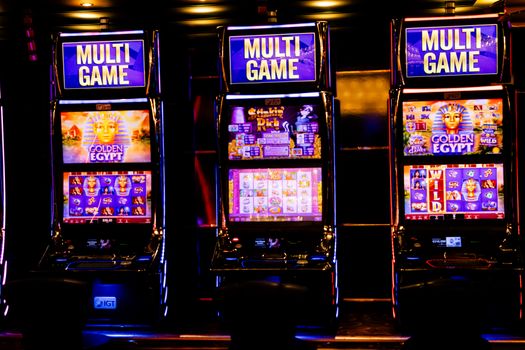
Casino slot machines are a feast for the senses. Designers invest significant resources into creating captivating graphics, immersive soundtracks, and tactile feedback that appeal to players’ emotions and senses. The vibrant colors, flashing lights, and celebratory sounds following every win—even a small one—are not accidental. These elements are fine-tuned to maximize player engagement and enjoyment.
A 2019 study from the University of British Columbia found that both visual and auditory cues in slot machines significantly increase a player’s excitement and willingness to keep playing, independent of actual winnings. Even losing spins often trigger upbeat sounds and flashing visuals, reinforcing positive feelings regardless of outcome.
In online slots, these effects are amplified further by high-definition animations, interactive bonus rounds, and themed designs that tap into popular culture, nostalgia, or adventure. For example, themed slots based on blockbuster movies or classic TV shows attract both fans and casual players, creating an emotional connection that keeps them coming back.
Escapism and the Role of Flow
For many players, slot machines offer more than just the chance to win money—they provide an escape from everyday stress and routine. The immersive nature of slot gaming can induce a psychological state known as “flow,” where players become deeply absorbed in the activity, losing track of time and external concerns.
Mihaly Csikszentmihalyi, the psychologist who coined the term “flow,” identified it as a key factor in activities that are both enjoyable and engaging. Slot games are designed to facilitate this state by offering simple rules, continuous action, and a steady stream of feedback. According to a 2021 survey by the UK Gambling Commission, 54% of slot players cited “relaxation” and “escape” as major reasons for playing.
This sense of escapism is especially pronounced in environments like Las Vegas, where casinos are designed to block out external cues such as clocks and windows, encouraging players to lose themselves in the experience.
The Illusion of Control and Personalization
Another psychological factor contributing to slot popularity is the illusion of control. While slot outcomes are purely random, features like “hold,” “nudge,” and “stop” buttons give players the feeling that their choices influence results. This sense of agency can make the experience more engaging and satisfying.
Moreover, modern slot machines and online platforms often offer personalized experiences. Players can choose from thousands of themes, adjust betting levels, and unlock achievements or bonuses tailored to their preferences. According to a 2023 report from Statista, the global market for personalized gaming experiences is projected to surpass $12 billion by 2025.
Personalization not only enhances enjoyment but also increases the likelihood of longer play sessions. By allowing players to select games that match their interests or moods, casinos foster a deeper sense of involvement and loyalty.
The Social Dimension: Community and Competition
While slot machines are primarily single-player games, recent innovations have introduced social and competitive elements that further boost their appeal. Online slots often feature leaderboards, tournaments, and chat functions, allowing players to compete with friends or strangers for top prizes.
This social dimension taps into the human desire for recognition and belonging. A 2020 survey by the International Gaming Institute found that 38% of online slot players enjoyed the “community” aspect of slots, such as sharing wins or participating in group challenges. These features transform solitary gaming into a social event, increasing engagement and retention.
Some casinos even host live slot tournaments, where players gather in person to compete for prizes in a festive, communal atmosphere. This blend of competition and camaraderie adds an extra layer of excitement that traditional slot play alone cannot provide.
Final Reflections: Understanding the Enduring Appeal of Casino Slots
The enduring popularity of casino slots is no accident. Behind every spin lies a carefully crafted blend of psychological triggers—instant gratification, variable rewards, sensory stimulation, escapism, the illusion of control, and social interaction. These elements combine to create an experience that is not only entertaining but deeply engaging, tapping into fundamental aspects of human behavior and brain chemistry.
While understanding these psychological mechanisms can help explain why slots are so compelling, it’s also important to approach them with awareness. Knowing how these games are designed to capture attention can empower players to make informed choices and enjoy the entertainment responsibly.
As technology continues to evolve, so too will the psychology of slot machines, ensuring that these games remain at the forefront of the gaming industry for years to come.