The Science behind the Addictiveness of Casino Slots: How Machines Hijack the Brain
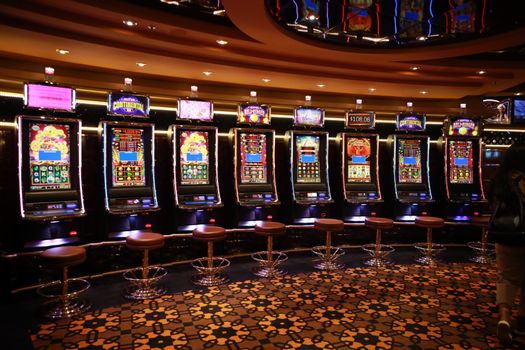
Casino slots are everywhere—from the dazzling floors of Las Vegas resorts to the screens of our smartphones. With a global market value estimated at over $50 billion in 2023, slot machines are the undisputed stars of the casino world. But beneath the flashing lights and catchy jingles lies a meticulously engineered experience, designed to trigger powerful psychological and neurological responses in players. What is it about slot machines that makes them so irresistibly addictive? In this article, we dive deep into the science behind the addictiveness of casino slots, exploring how these games leverage brain chemistry, behavioral psychology, and clever design to keep players spinning the reels.
The Brain’s Reward System: Dopamine and Slot Machines
At the heart of slot machine addictiveness is the brain’s reward system, particularly the neurotransmitter dopamine. Dopamine is often called the "feel-good" chemical because it is released when we experience pleasure or anticipate a reward. Neuroscientific studies have shown that slot machines exploit this system in a unique way.
When you pull the lever or tap the spin button, your brain anticipates the possibility of a reward. If a win occurs—no matter how small—dopamine floods the brain, creating a rush of satisfaction. Even near-misses (for example, when two jackpot symbols land and the third just misses) trigger dopamine release, despite the lack of an actual win. According to a 2010 study published in "Neuron," near-miss outcomes increase brain activity in the same regions that respond to actual wins.
.png)
It’s not just the wins that matter; it’s the anticipation and unpredictability. Slot machines use a "variable-ratio reinforcement schedule," which means rewards are unpredictable and occur after a random number of plays. This is the same pattern that makes gambling, and slot machines in particular, so habit-forming. Variable rewards have been shown to produce up to three times more dopamine than predictable ones.
Psychological Triggers: The Power of Near Misses and Losses Disguised as Wins
Slot machines are designed to maximize engagement through psychological tricks. Two of the most potent are near misses and “losses disguised as wins” (LDWs).
A near miss occurs when the outcome is close to a win—for example, two matching symbols and one off. Research at the University of Cambridge found that near misses activate the same brain pathways as actual wins, motivating players to keep playing in the hope that a win is just around the corner. The study showed that near misses could increase the urge to gamble by as much as 30%.
Losses disguised as wins are another powerful tool. This happens when players receive a payout that is less than their original bet, but the machine celebrates with sounds and flashing lights as if it were a win. For example, betting $1 and winning $0.50 still produces the same positive feedback as a big win. According to a 2013 study in "Psychology of Addictive Behaviors," LDWs can account for up to 40% of all outcomes on multi-line slot machines, leading players to overestimate their success and play longer.
The Allure of Sensory Feedback: How Lights and Sounds Influence Behavior
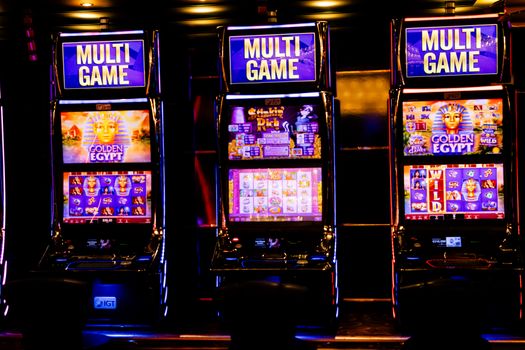
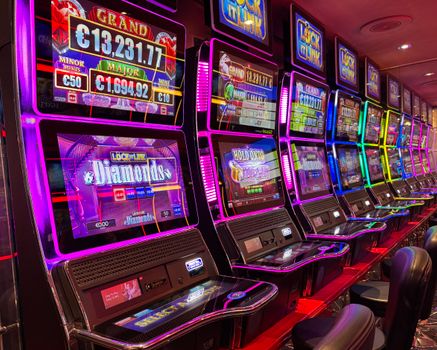
Slot machines are multi-sensory experiences: bright colors, animated displays, catchy music, and jingles all work together to create an environment of excitement and anticipation. These sensory elements are far from accidental—they’re carefully designed to boost player engagement.
A 2015 study by the University of British Columbia demonstrated that the combination of flashing lights and celebratory sounds significantly increases players’ physiological arousal, as measured by heart rate and skin conductance. Even losing spins are often accompanied by upbeat sounds, softening the blow and encouraging continued play. In fact, slot machines can generate up to 400 different sound effects, each tailored to different outcomes.
Table: Features Used in Slot Machines to Influence Player Behavior
| Feature | Effect on Players | Scientific Backing |
|---|---|---|
| Near Misses | Increase motivation to play | 30% higher urge to gamble (Cambridge study, 2012) |
| Losses Disguised as Wins | Overestimate success, play longer | 40% of outcomes are LDWs (Dixon et al., 2013) |
| Flashing Lights & Sounds | Boost arousal and excitement | Increased heart rate and skin conductance (UBC, 2015) |
| Variable-Ratio Rewards | Unpredictable wins keep players engaged | Up to 3x more dopamine released than fixed rewards (Neuron, 2010) |
Game Design and Mathematics: The Illusion of Control and "Time on Device"
Slot machine designers leverage both psychology and mathematics to maximize "time on device"—the amount of time a player spends playing. Game designers use features like multi-line betting, bonus rounds, and player choices to create the illusion of control.
For instance, many modern slots allow players to pick from several bonus options or interact with mini-games within the slot. While these choices seem to offer control, the outcomes are still determined by random number generators (RNGs). According to a 2019 report from the National Center for Responsible Gaming, the illusion of control increases risk-taking and extends play sessions by as much as 25%.
Payout rates (or Return to Player—RTP) are also carefully managed. Most slots have RTPs between 85% and 98%, meaning that over the long run, the house always wins. However, the volatility of payouts—lots of small wins punctuated by rare big jackpots—keeps players engaged. The average slot player makes around 600-1,200 spins per hour, each spin taking just a few seconds, optimizing the casino’s odds while giving players a constant stream of feedback.
Digital Evolution: Personalized Addictiveness in Online Slots
The rise of online and mobile slot machines has introduced new dimensions to their addictiveness. With the ability to personalize games using player data, online casinos can tailor experiences to individual preferences, making the games even harder to put down.
Some online slots use algorithms to track player behavior—such as betting patterns, favorite themes, and session times—and adjust game suggestions or promotional offers accordingly. The global online gambling market, valued at over $60 billion in 2023, owes much of its growth to these personalized experiences.
Additionally, online slots can deliver near-instant gratification, with no waiting for a seat or dealing with other players. Features like autoplay and turbo mode allow for even faster play, increasing the rate at which players experience wins, losses, and the associated dopamine rushes.
Social and Environmental Factors: Why Slots Appeal to So Many
While the science of addictiveness is rooted in individual brain chemistry and psychology, social and environmental factors also play a role. Slot machines are designed to appeal to a broad audience, including those who may not be interested in traditional table games.
The accessibility of slot machines, both in casinos and online, lowers barriers to entry. In the US, 48 states have some form of legal casino gambling, and more than 900,000 slot machines are in operation nationwide. Social factors—such as seeing others win or participating in group play (like online slot tournaments)—can amplify engagement.
Casinos themselves are engineered to keep players at the machines for as long as possible. The absence of clocks, windows, and easily accessible exits, combined with frequent complimentary drinks and rewards programs, creates an environment where time seems to stand still. This "casino effect" has been shown to increase average play sessions by 20% or more compared to more neutral environments.
Understanding the Risks: Slot Machine Addiction and Responsible Gaming
The intense addictiveness of slot machines is not without consequences. According to the National Council on Problem Gambling, approximately 2 million US adults meet the criteria for severe gambling addiction, and another 4-6 million are considered to have mild or moderate gambling problems. Slot machines are cited as the primary source of gambling addiction in up to 70% of problem gamblers seeking treatment.
Casinos and game developers are increasingly being called upon to implement responsible gaming measures, such as time limits, spending caps, and self-exclusion programs. Some jurisdictions now require visible warnings about the odds of winning and the risks of problem gambling. However, the fundamental design of slot machines continues to leverage the same psychological and neurological triggers that make them so difficult to resist.
Final Thoughts: The Science behind the Addictiveness of Casino Slots
Slot machines are marvels of psychological engineering, combining unpredictable rewards, sensory stimulation, and the illusion of control to create an experience that is uniquely addictive. Their appeal is grounded not just in the possibility of winning money, but in how they manipulate our brain chemistry and perceptions. Understanding the science behind their addictiveness is crucial for both players and policymakers as the popularity of slots continues to grow—especially in the digital age, where access is easier than ever before. Awareness of these mechanisms can empower players to make informed choices, and encourage the industry to embrace more responsible gaming practices.