Casino Slots: The Journey from Local Curiosity to Global Phenomenon
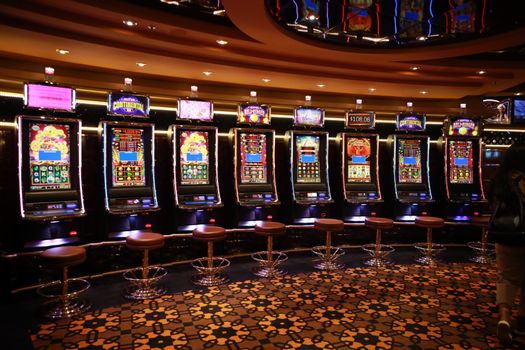
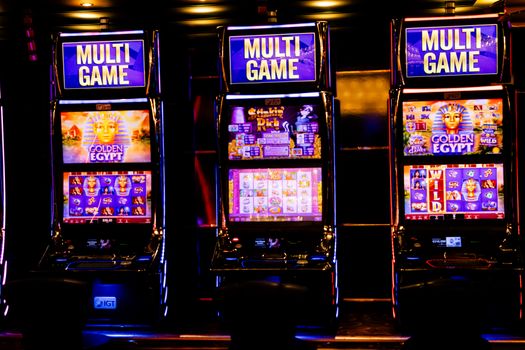
Few inventions have transcended borders, cultures, and generations quite like casino slots. What started in the late 19th century as a mechanical curiosity in American saloons now dominates the floors of glitzy Las Vegas resorts and the screens of millions of smartphones worldwide. Today, slot machines account for over 70% of casino revenues in the United States alone, and their reach extends to nearly every continent. But how did these simple spinning reels become a universal symbol of gambling and entertainment? Let’s explore the remarkable evolution, expansion, and enduring appeal of casino slots that made them a true global phenomenon.
The Humble Origins: From Saloons to Mainstream Entertainment
The history of slot machines traces back to 1895, when Charles Fey, a San Francisco mechanic, created the Liberty Bell. This three-reel mechanical device paid out coins when symbols aligned—a technological innovation that captured the imagination of bar-goers. Within a decade, similar machines appeared in bars, cigar shops, and bowling alleys across America, despite the uncertain legal status of gambling.
By the 1930s, slot machines had cemented their place in American entertainment. Manufacturers like Mills Novelty Company began producing colorful, fruit-themed machines, giving rise to the familiar “cherry” and “bar” symbols still found today. According to the American Gaming Association, there were over 140,000 slot machines in the US by 1939.
.png)
The appeal of these early slots was rooted in simplicity and accessibility. Unlike card games or roulette, slots required no skill or strategy—anyone could pull the lever and hope for a win. This egalitarian allure laid the foundation for their explosive growth in the decades to come.
Technological Innovation: How Slots Evolved for a New Era
The mid-20th century ushered in a wave of innovation that propelled slots from mechanical wonders to electronic marvels. The first fully electromechanical slot, Bally’s “Money Honey,” debuted in 1963, introducing flashing lights, electronic sounds, and automatic payouts up to 500 coins. By the 1970s, video slots with digital displays had arrived, replacing physical reels with animated screens.
This era of innovation saw several landmark developments:
- Random Number Generators (RNGs): First adopted in the 1980s, RNGs guaranteed true randomness in outcomes, enhancing fairness and player trust. - Progressive Jackpots: Introduced in 1986, the Megabucks slot linked multiple machines, allowing for record-breaking jackpots. In 2003, a Las Vegas player won $39.7 million—still the largest slot win in history. - Bonus Rounds and Features: Video technology allowed for creative bonus games, multipliers, and free spins, adding layers of excitement and variety.These advancements not only made slots more engaging but also enabled casinos to offer thousands of different games catering to all tastes and budgets. According to Statista, the global slot machine market was valued at $8.2 billion in 2022 and is projected to reach $10.5 billion by 2027.
Global Expansion: Casino Slots Around the World
While slot machines are often associated with Las Vegas, their global footprint is staggering. Legalized gambling and shifting cultural attitudes have fueled the proliferation of slots on every continent except Antarctica. Here’s a glimpse of how slots have adapted to different regions:
- Europe: In the United Kingdom, slot machines—known as “fruit machines”—have been a staple in pubs and arcades for over a century. Germany, Italy, and Spain also have thriving slot markets, often regulated with strict payout requirements. - Asia-Pacific: Macau, the world’s gambling capital, is home to over 17,000 slot machines. In Australia, “pokies” (slot machines) are incredibly popular; as of 2023, the country had over 193,000 slot machines, accounting for nearly 20% of the world’s total. - Latin America: Countries like Mexico and Argentina have embraced slots in casinos and gaming parlors, with rapid growth following regulatory changes in the 2000s.The following table compares slot machine prevalence and revenue in major gambling regions:
| Region | Number of Slot Machines (2023) | Annual Revenue from Slots (USD) |
|---|---|---|
| United States | 900,000+ | $40 billion |
| Australia | 193,000 | $13.5 billion |
| Macau | 17,000 | $2.8 billion |
| United Kingdom | 180,000 | $3.6 billion |
| Germany | 245,000 | $2.4 billion |
These numbers highlight the extraordinary global reach and economic impact of slot machines.
The Digital Revolution: Online Slots and Mobile Gaming
The arrival of the internet in the 1990s transformed casino gaming forever. Online casinos began offering digital versions of classic slots, freeing them from physical constraints and opening up a world of creative possibilities. Today, online slots represent the largest segment of the global online gambling market—valued at $63.5 billion in 2023, according to H2 Gambling Capital.
Key factors in the explosive growth of online slots include:
- Accessibility: Players can enjoy thousands of games from home or on-the-go, 24/7. - Innovation: Developers are constantly releasing new themes, mechanics, and bonus features, from movie tie-ins to progressive jackpots. - Social Features: Many online slots incorporate tournaments, leaderboards, and multiplayer elements, enhancing engagement.Mobile technology has further accelerated this trend. In 2022, over 50% of all online slot play occurred on smartphones and tablets, making slots more accessible than ever before. For example, in the UK, nearly 60% of adults who played online slots in 2023 did so using a mobile device.
Cultural Influence: Slots in Popular Media and Society
As slots have spread worldwide, they’ve become embedded in popular culture. Slot machines frequently appear in films, music, and television—think of the iconic scenes in “Ocean’s Eleven” or the classic Vegas imagery in countless pop songs. The sound of spinning reels and the triumphant jingle of a jackpot win are instantly recognizable, symbolizing both the thrill of chance and the allure of fortune.
Slots have also inspired a range of non-casino games and entertainment products. Social casino apps like Slotomania and DoubleDown Casino attract millions of daily users, offering free-to-play experiences that mimic real slot machines. Even outside gambling, “loot box” mechanics in video games draw on the suspense and excitement of slot play, sparking debates about psychology and regulation.
The influence of slots extends to art, fashion, and even language—expressions like “pulling the lever” or “hitting the jackpot” are now part of everyday conversation.
Regulation, Responsibility, and the Future of Casino Slots
With great popularity comes the need for careful regulation and responsible play. Governments around the world have implemented a range of policies to ensure fairness, prevent underage gambling, and address problem gambling. For instance, Australia introduced mandatory pre-commitment systems on slot machines in some states, while the UK requires age verification and limits on online slot stakes.
Technological advances are also helping promote responsible gambling. Many modern slot machines and apps offer self-exclusion tools, spending limits, and real-time feedback on play habits. Meanwhile, regulators and advocacy groups continue to study the impact of slots on individuals and communities, seeking to balance entertainment value with social responsibility.
Looking ahead, the future of casino slots is likely to be shaped by even more innovation. Virtual reality (VR) slots, skill-based bonus games, and blockchain-powered transparency are just some of the emerging trends on the horizon. Yet, the core appeal of slots—the tantalizing mix of luck, anticipation, and potential reward—remains unchanged.
Why Casino Slots Captivate the World
From their origins in 19th-century America to their omnipresence in the digital age, casino slots have continually evolved to captivate new generations of players. Their global success is rooted in a unique combination of simplicity, accessibility, and constant innovation. Whether in a Las Vegas casino, a London pub, or on a mobile phone in Tokyo, slots offer a universal thrill that transcends borders and backgrounds.
As technology and regulation shape the next chapter of their story, one thing is certain: casino slots will remain a global phenomenon for years to come, offering excitement and entertainment to millions around the world.