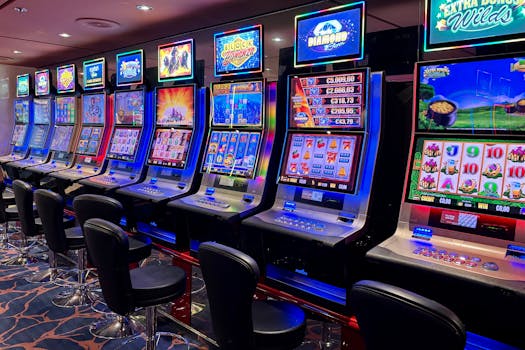
The Evolution of Casino Slots: From Lever to Digital
Casino slots are among the most iconic fixtures in the world of gaming. Their cheerful lights, inviting sounds, and thrilling unpredictability have captivated millions for well over a century. But behind every spin lies a fascinating journey of technological innovation and cultural shifts. The evolution of casino slots—from the simple lever machines to today’s sophisticated digital platforms—mirrors broader trends in entertainment, engineering, and human psychology. This article explores how slots have transformed, what drove their changes, and what the future may hold for this enduring form of entertainment.
The Birth of the Slot Machine: Simplicity and Chance
The humble origins of the slot machine can be traced to the late 19th century. In 1895, Charles Fey, a San Francisco-based mechanic, created what is widely regarded as the first true slot machine: the Liberty Bell. This mechanical marvel featured three spinning reels, five symbols (horseshoes, diamonds, spades, hearts, and a Liberty Bell), and a single lever to set the reels in motion. The payout for three Liberty Bells in a row was just 50 cents, a significant sum for the era.
Fey’s invention was revolutionary for two reasons. First, it automated the payout process; prior devices required a human attendant to verify wins. Second, its intuitive design—a lever and spinning reels—made it immediately accessible. By 1910, slot machines could be found in bars and cigar shops across the United States, despite attempts at regulation.
.png)
In the early years, the mechanics were simple: a player pulled the lever, the reels spun, and if the right combination appeared, coins clattered into a tray. The odds were set by the number of symbols on each reel, and the game was entirely mechanical, with no electricity involved. This simplicity was crucial in building trust and excitement around the new invention.
Electromechanical Innovations: A New Era of Excitement
The 1960s marked the first major leap in slot machine technology. In 1963, Bally introduced the Money Honey, the world’s first fully electromechanical slot machine. While the iconic lever remained, the internal workings had changed dramatically. Electric components controlled the reels, allowed for larger coin hoppers, and enabled automatic payouts of up to 500 coins.
This electromechanical shift brought several key advantages:
- More complex game mechanics: Multiple paylines and bonus features became possible. - Larger jackpots: Payouts could now be much higher, attracting more players. - Enhanced security: Electronic monitoring reduced the risk of tampering and cheating.By the late 1970s, microprocessors had entered the picture, allowing for even more sophisticated random number generation and the introduction of video displays. This paved the way for the next big transformation: the rise of video slots.
Video Slots and the Digital Revolution
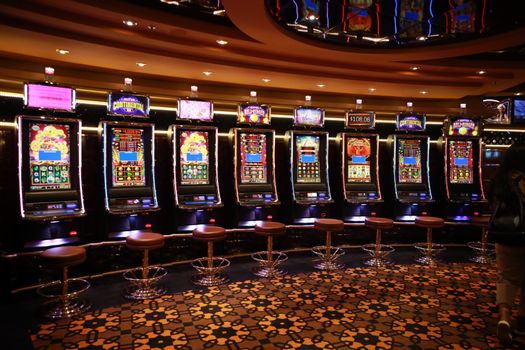
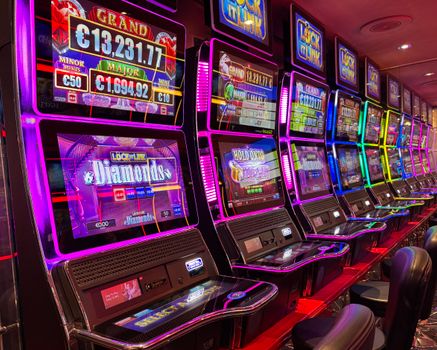
The late 1970s and 1980s saw the debut of video slot machines. The first video slot, developed by Fortune Coin Co. in 1976, used a modified 19-inch Sony TV for its display. Nevada regulators approved the machine in 1978, and the concept quickly took off. By the 1990s, video slots were standard in casinos worldwide.
The shift from physical reels to digital screens brought sweeping changes:
- Unlimited possibilities: Programmable software allowed for hundreds of paylines, mini-games, and bonus rounds. - Eye-catching graphics and sounds: Digital technology enabled stunning visuals, immersive themes, and engaging soundtracks. - Greater transparency: Random Number Generators (RNGs) replaced mechanical odds, ensuring fairness and unpredictability.According to the American Gaming Association, by 2010, slot machines accounted for nearly 70% of casino revenue in the United States—testament to their enduring popularity and adaptability.
Online Slots: Convenience and Global Reach
With the rise of the internet in the late 1990s and early 2000s, slots made the leap from casino floors to digital screens worldwide. The first online casinos appeared in 1994, and by the early 2000s, hundreds of slot games were accessible from any computer with an internet connection.
This transition unleashed a new era of growth. Key statistics highlight their impact:
- By 2023, the global online gambling market was valued at over $95 billion, with online slots being the most popular category. - Players from over 100 countries now enjoy online slots, with games available in dozens of languages and currencies. - Mobile gaming now accounts for more than 50% of all online slot play, thanks to smartphones and tablets.Online slots offer unmatched convenience and variety. Players can choose from thousands of themed games, enjoy progressive jackpots that grow into the millions, and participate in tournaments from the comfort of home. Security and fairness are ensured by advanced cryptographic RNGs and third-party auditing.
Comparing the Eras: Mechanical vs. Digital Slots
To appreciate just how far slot machines have come, it’s helpful to compare key features of mechanical, electromechanical, video, and online slots.
| Feature | Mechanical | Electromechanical | Video | Online/Digital |
|---|---|---|---|---|
| Era | 1890s-1960s | 1960s-1980s | 1980s-2000s | 2000s-present |
| Reels | Physical | Physical (with electric control) | Digital display | Digital display |
| Paylines | 1 | 1-5 | Multiple (up to 100+) | Multiple (often 243+ ways to win) |
| Bonus Features | None | Some (basic) | Yes (free spins, mini-games) | Yes (progressives, interactive rounds) |
| Jackpot Size | Up to $50 | Up to $10,000 | Up to $1 million+ | Over $20 million (progressives) |
| Accessibility | Casinos only | Casinos only | Casinos only | Online, anywhere |
This table shows how technological innovation has dramatically increased both the entertainment value and accessibility of slots.
The Psychology and Appeal of Modern Slots
While technology has transformed the mechanics, the core appeal of slots has remained consistent: the thrill of chance, the anticipation of a win, and the sensory delights of lights and sound. However, modern slot design draws heavily on psychological research to enhance engagement:
- Near-miss mechanics: Digital slots can program near-miss outcomes, which studies show increase playtime by up to 30%. - Reward schedules: Frequent small wins keep players engaged through a system known as variable-ratio reinforcement. - Theming and storytelling: Modern slots are often designed around popular movies, TV shows, or historical themes, creating a more immersive experience.A 2019 study by the UK Gambling Commission found that 56% of players cited “fun and entertainment” as their main reason for playing slots, rather than simply winning money. This illustrates the shift from pure gambling to a broader entertainment experience.
Looking Ahead: The Future of Casino Slots
As technology continues to evolve, so too will the world of slots. Several trends are shaping the next generation of these games:
- Virtual reality (VR) and augmented reality (AR): Developers are experimenting with VR slot environments where players can “walk” through virtual casinos and interact with games in 3D. - Blockchain and cryptocurrencies: Some platforms now offer provably fair slots that use blockchain technology for transparency and security. - Social gaming features: Leaderboards, live tournaments, and multiplayer slots are growing in popularity, making play more interactive and community-driven. - Artificial intelligence (AI): Personalized gaming experiences, adaptive difficulty, and real-time data analysis are being integrated to tailor games to individual preferences.With global slot gaming revenue projected to surpass $120 billion by 2027, it’s clear that slots will remain at the forefront of both traditional and digital entertainment.
Final Reflections on the Evolution of Casino Slots
From the simple pull of a lever to the tap of a touchscreen, slot machines have undergone a remarkable journey. Their evolution reflects advances in engineering, computing, and user experience design—always with the goal of delivering fun, excitement, and the tantalizing possibility of a life-changing win. As new technologies emerge, slots will continue to adapt, ensuring their place as a beloved pastime for generations to come.