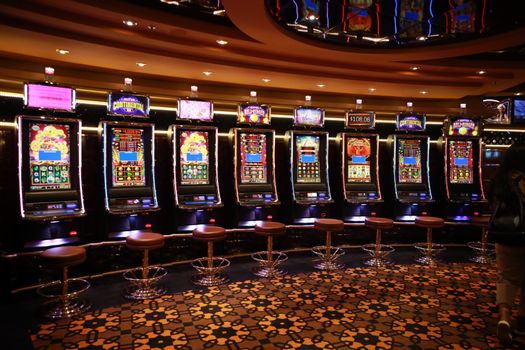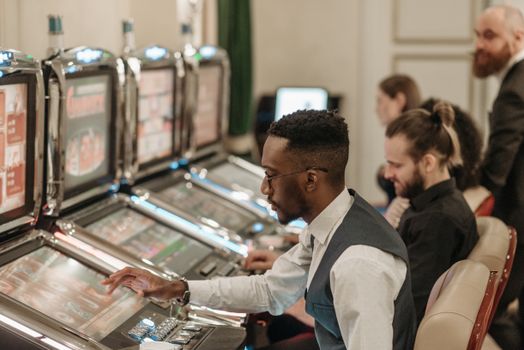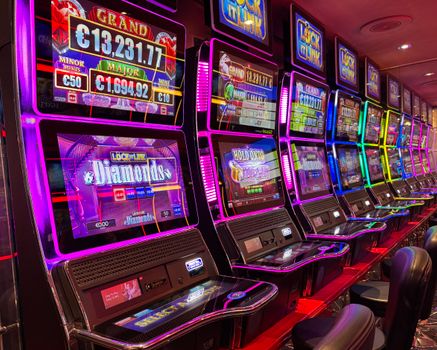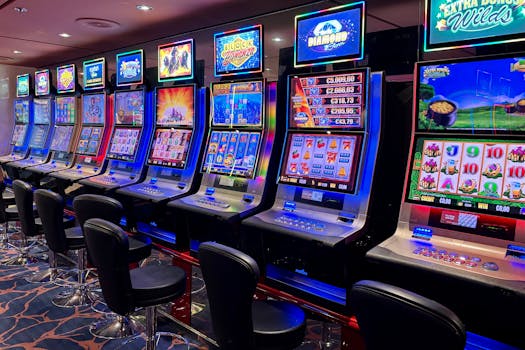
Casino slots have come a long way from the mechanical one-armed bandits of the early 20th century. Today, they’re not just a staple of casinos—they’re at the forefront of technological advances, entertainment trends, and cultural shifts. As we move further into the digital age, casino slots are influencing how people experience gaming, storytelling, and even social interaction. Let’s explore how these spinning reels are shaping the future of entertainment, transforming not just how we play, but how we engage with the world around us.
The Digital Transformation: From Mechanical Reels to Virtual Reality
The evolution of casino slots mirrors the rapid progress of technology itself. In 1895, Charles Fey invented the Liberty Bell, the world’s first slot machine. Fast forward to today, and the global online slots market alone is projected to reach $8.21 billion in value by 2027 (Statista, 2023). This growth is fueled by the migration from physical machines to digital platforms.
Online slots have removed barriers of geography and accessibility. Players can now spin reels from their smartphones, tablets, or computers, 24/7, anywhere in the world. The rise of mobile gaming has been particularly notable: according to H2 Gambling Capital, mobile gambling accounted for 50% of all online gambling revenue in 2022.
.png)
But the most cutting-edge innovation is the integration of virtual reality (VR) and augmented reality (AR). Companies like NetEnt and Microgaming are developing immersive VR slot experiences, where players step inside 3D casinos, interact with other avatars, and explore themed environments. This level of immersion transforms passive play into an engaging, multisensory adventure—blurring the line between gaming and real-life entertainment.
Storytelling and Cinematic Experiences: A New Narrative Era
Modern slot games are no longer simple combinations of fruit symbols and bells. Today’s slots are rich with narrative depth, borrowing techniques from blockbuster movies and video games. Developers invest millions in art, soundtracks, and story development to create titles that captivate players beyond the spin.
For example, NetEnt’s “Gonzo’s Quest” follows an adventurous conquistador on a quest for lost treasure, complete with animated cutscenes and evolving storylines. Scientific Games’ “Monopoly Big Event” brings the classic board game to life with interactive features and mini-games. These narrative-driven slots appeal to a generation raised on immersive storytelling, encouraging longer play and deeper emotional engagement.
The trend is clear: slots are evolving from games of pure chance into interactive stories where players become part of the action. This shift is shaping the future of entertainment by merging gambling with the narrative depth of movies and the interactivity of video games.
Gamification: Turning Slot Play into a Social Experience
Gamification—applying elements of game design to non-game contexts—has revolutionized the world of slots. Features like leaderboards, achievements, daily missions, and tournaments have turned solitary spinning into a communal experience.
Consider these examples:
- Slot tournaments with live leaderboards attract thousands of participants, each vying for top prizes in real time. - Social casinos such as Slotomania and House of Fun have amassed over 100 million downloads worldwide (App Annie, 2023), offering friends the chance to send each other free coins, compete in challenges, and celebrate wins together—even when no real money is at stake.These features encourage social interaction and friendly competition, fostering a sense of belonging and community. In an era where digital entertainment often means isolation, slots are leading a countertrend, connecting players across continents and cultures.
Technological Innovations: AI, Blockchain, and Beyond
The future of slots is being shaped by powerful new technologies—each offering unique benefits to both players and the industry.
Artificial Intelligence (AI) is being used to personalize gameplay, recommending games based on player preferences and optimizing bonuses for individual users. AI-driven analytics can identify problematic play patterns, helping operators promote responsible gaming.
Blockchain technology is introducing new levels of transparency and fairness. Provably fair slots use cryptographic algorithms that allow players to verify the randomness of each spin. This builds trust—especially crucial as online gambling expands into new markets.
Cashless gaming is another major trend, with digital wallets and cryptocurrencies enabling seamless, instant transactions. In 2023, more than 20% of online casino players reported using cryptocurrencies for deposits or withdrawals (SoftSwiss, 2023).
Let’s compare traditional vs. innovative slot technologies:
| Feature | Traditional Slots | Modern Digital Slots |
|---|---|---|
| Platform | Physical casino floors | Online, mobile, VR/AR |
| Payment Methods | Cash, coins, paper tickets | Credit cards, e-wallets, cryptocurrencies |
| Game Mechanics | Simple reels, basic bonuses | Interactive features, mini-games, storylines |
| Social Interaction | Limited, in-person only | Online leaderboards, tournaments, social sharing |
| Transparency | Regulated by casino, black-box RNG | Provably fair, blockchain verification |
Expanding Entertainment Ecosystems: Crossover with Other Media
Casino slots are increasingly intersecting with other entertainment sectors, creating expansive ecosystems that blend gaming, music, television, and film. This crossover is reshaping both the slot and entertainment industries.
Branded slots—licensed from hit TV shows, movies, and music artists—are now a dominant force. For instance, the “Game of Thrones” slot by Microgaming and NetEnt’s “Jimi Hendrix” slot have attracted millions of fans, leveraging existing entertainment brands to draw new audiences to casino gaming.
Streaming platforms like Twitch and YouTube have also amplified the phenomenon. In 2023, slot streaming content on Twitch amassed over 800 million hours watched globally (StreamElements, 2023). Influencers and streamers showcase their gameplay, discuss strategies, and interact with viewers in real time, turning slot play into a form of performance art.
This interconnected entertainment ecosystem benefits everyone: studios gain new revenue streams, casinos reach broader audiences, and players enjoy rich, multi-layered experiences that transcend traditional gambling.
The Future Outlook: What’s Next for Casino Slots and Entertainment?
As technology and consumer preferences continue to evolve, casino slots are poised to play an even larger role in the broader entertainment landscape. Here are some emerging trends to watch:
1. Hyper-personalized Experiences: AI will continue to tailor gameplay, bonuses, and themes to individual tastes—much like how Netflix recommends shows or Spotify suggests playlists. 2. Cross-Platform Integration: Expect to see more integration between slots, video games, and social media. Players might unlock rewards in one ecosystem that carry over to another, blurring the lines between different forms of digital entertainment. 3. Greater Focus on Responsible Gaming: Advanced monitoring tools, AI-driven alerts, and transparent blockchain-based records will help promote safer play and mitigate problem gambling. 4. Expansion into New Realms: As regulations evolve, slots could appear in surprising places—arcades, eSports arenas, or even virtual concerts, offering entertainment to new demographics. 5. More Immersive Experiences: With advancements in VR, AR, and 3D graphics, tomorrow’s slot games may be indistinguishable from blockbuster video games or interactive movies.The numbers back up this optimism: the global slot machine market is expected to reach $9.5 billion by 2028 (MarketWatch, 2023), driven by innovation and expanding entertainment applications.
Casino Slots and the Evolution of Modern Entertainment
Casino slots are no longer just games of chance—they are engines of innovation, catalysts for social interaction, and bridges to other entertainment mediums. From the digital revolution to the rise of gamification and immersive storytelling, slot games are shaping how we play, connect, and experience fun in the 21st century.
As technology continues to advance, the future of entertainment will be defined by ever-more creative, interactive, and inclusive experiences. Casino slots, with their unique combination of chance, skill, and spectacle, are leading the way—proving that the spin of a reel can be as captivating as any blockbuster or sporting event.