The Intersection of Technology and Casino Slots: A Closer Look
Casino slots have long been a cornerstone of gambling entertainment, mesmerizing players with flashing lights, catchy sounds, and the tantalizing promise of instant fortune. But beyond the spinning reels and colorful graphics lies a world transformed by technology. Over the past three decades, the intersection of technology and casino slots has completely reshaped how these games are designed, played, and regulated. This article takes a deep dive into the technological innovations driving the evolution of slot machines, exploring how software, hardware, connectivity, and data science have revolutionized the casino floor and the online landscape alike.
From Mechanical Marvels to Digital Powerhouses: A Brief History
Slot machines have come a long way since Charles Fey invented the Liberty Bell in 1895. The earliest slot machines were entirely mechanical, relying on gears, levers, and physical reels. For much of the 20th century, these machines dominated casinos, with only minor electrical enhancements such as lights and coin counters introduced in the 1960s.
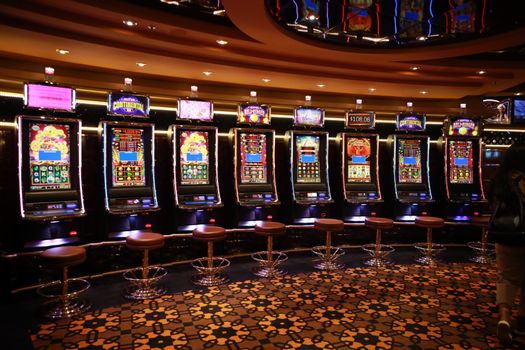
The real technological leap occurred in the 1980s with the advent of microprocessors. Suddenly, slot outcomes were determined by complex algorithms known as Random Number Generators (RNGs), not by mechanical stops. By the early 1990s, video screens replaced spinning reels, allowing for far greater creativity in game design and bonus features. According to the American Gaming Association, over 85% of casino gaming revenue in the United States now comes from electronic slot machines, a testament to their digital dominance.
.png)
The Rise of Online Slots and Mobile Gaming
The internet boom of the late 1990s and early 2000s brought casino gaming to a new frontier: online. Developers began creating digital versions of classic slots, accessible to anyone with an internet connection. By 2023, the global online gambling market was valued at $92.9 billion, with online slots accounting for a significant share.
Mobile devices further accelerated this trend. A 2022 Statista report found that 54% of online casino players now use smartphones or tablets as their primary gaming device. Touchscreen interfaces, high-resolution graphics, and intuitive controls make mobile slots more engaging and accessible than ever before. In-app purchases, social features, and location-based bonuses have also become standard, blurring the lines between gaming and social media.
Cutting-Edge Technology Behind Today’s Slot Machines
Modern slot machines are marvels of engineering and software, far removed from their mechanical ancestors. Let’s break down the key technological components powering today’s slots:
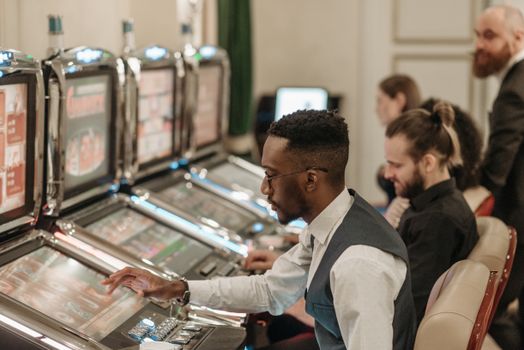
1. Random Number Generators (RNGs): The core of fairness and unpredictability, RNGs are sophisticated algorithms that generate thousands of random outcomes per second. This ensures that every spin is independent and fair, a requirement enforced by gaming regulators. 2. Advanced Graphics Engines: Graphics engines such as Unity or proprietary platforms allow developers to create immersive 3D animations, cinematic cutscenes, and interactive bonus rounds. High-definition displays and surround sound further enhance the sensory experience. 3. Cloud-Based Infrastructure: Many online slots now operate from centralized data centers or cloud platforms. This not only ensures smoother updates and scalability but also enables features like progressive jackpots that link thousands of machines worldwide. 4. Touch and Gesture Controls: Physical slot machines on casino floors increasingly use touchscreens instead of buttons, enabling more interactive gameplay and easier accessibility for people with disabilities. 5. Artificial Intelligence (AI): AI is used for personalized game recommendations, dynamic difficulty adjustments, and even for detecting problematic gambling behaviors in real time.Big Data and Player Analytics: Shaping the Future of Slots
One of the most significant technological revolutions in the slot industry is the use of big data and analytics. Casino operators and online platforms now collect vast amounts of data on player behavior, from the types of games played to the time spent on each machine. This information is used to:
- Personalize promotions and bonuses - Develop new games that match player preferences - Identify at-risk players for responsible gaming interventions - Optimize machine placement on casino floorsFor example, a 2021 survey by Eilers & Krejcik Gaming found that 64% of casinos use data analytics to inform slot floor layout changes, leading to increases in revenue per available slot machine by up to 18%.
Security, Regulation, and Fairness: Technology as Guardian
With greater technological complexity comes increased responsibility. Regulatory bodies such as the UK Gambling Commission and Nevada Gaming Control Board mandate strict standards for slot machine software and hardware. Technology plays a crucial role in ensuring:
- RNG Certification: Independent labs like eCOGRA and GLI test and certify RNG algorithms for fairness and unpredictability. - Anti-Cheating Measures: Modern slots employ encryption, secure boot processes, and tamper-evident hardware to prevent hacking or manipulation. - Responsible Gaming: Systems can track player spending in real time, prompting warnings or automatic timeouts if risky behavior is detected.The table below compares key security and regulatory features in land-based vs. online slots:
| Feature | Land-Based Slots | Online Slots |
|---|---|---|
| RNG Certification | Physical chip tested annually | Software audited frequently |
| Anti-Cheating Measures | Physical locks, alarms | Encryption, account verification |
| Responsible Gaming Tools | Self-exclusion programs | Deposit limits, reality checks |
| Regulatory Oversight | State/local gaming boards | National/international regulators |
Innovative Trends Transforming the Casino Slot Experience
The pace of innovation in the slot industry shows no sign of slowing. Here are some of the most exciting trends to watch:
1. Virtual Reality (VR) and Augmented Reality (AR): Companies like NetEnt and Microgaming are experimenting with VR slots, offering immersive 360-degree environments. AR features, such as overlaying virtual slot machines in real-world settings via smartphones, are also on the horizon. 2. Blockchain and Cryptocurrency: Some online casinos now allow wagering and payouts in Bitcoin or Ethereum. Blockchain-based slots offer transparent, provably fair outcomes, appealing to tech-savvy players. 3. Skill-Based Slots: In response to younger demographics’ preferences, some games incorporate elements of skill—such as shooting targets or solving puzzles—alongside traditional chance-based mechanics. 4. Social and Community Features: Leaderboards, tournaments, and even multiplayer slots are gaining popularity. In 2022, over 30% of new online slot releases included some form of social competition or sharing. 5. Cross-Platform Play: Players can now start a game on a desktop, pause, and continue seamlessly on their mobile device or even in a physical casino thanks to account-linked progress.Challenges and Ethical Considerations at the Intersection of Technology and Slots
While technology has brought tremendous benefits to the casino slot industry, it also raises complex challenges:
- Addiction and Problem Gambling: The ease of access, immersive experiences, and data-driven personalization can contribute to compulsive gambling. Regulators and developers must continually enhance responsible gaming tools. - Data Privacy: Collecting player data improves the experience but also raises concerns about privacy and security. Strict data protection laws like GDPR in Europe now govern how personal information is used. - Fairness and Transparency: As algorithms become more complex, it’s essential to maintain public trust through third-party audits and clear communication about odds and RTP (Return to Player) rates.The industry’s future depends on striking a balance between innovation, profitability, and ethical responsibility.
The Lasting Impact of Technology on Casino Slots
The intersection of technology and casino slots has transformed every facet of the industry—from the way games are designed and delivered, to how they are regulated and enjoyed. As we look forward, expect even more convergence with emerging technologies like AI, blockchain, and immersive reality. For players, this means richer experiences, fairer play, and unprecedented convenience. For operators, it means new opportunities and new responsibilities.
The story of casino slots is now a story of technology—one where innovation and entertainment go hand in hand, and where the next big breakthrough is always just a spin away.