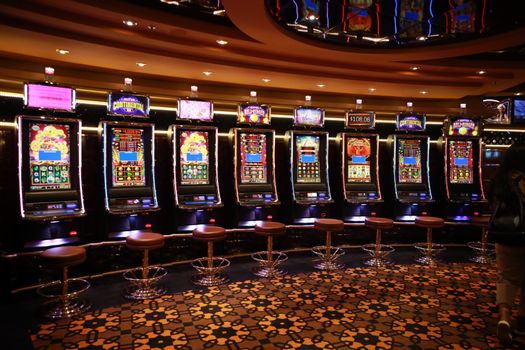
Are Casino Slots Rigged? Debunking Common Myths
Slot machines have captured the imagination—and the wallets—of millions around the world for more than a century. With their flashing lights, immersive sounds, and tantalizing jackpots, slots represent both entertainment and the possibility of instant fortune. But lurking beneath the surface of every spin is a question that almost every player has asked: Are casino slots rigged? This question has sparked countless debates, urban legends, and conspiracy theories. In this article, we’ll separate fact from fiction, exploring how slot machines really work, what ensures their fairness, and why the myth of “rigged slots” persists despite strict regulations and advanced technology.
The Mechanics Behind Modern Slot Machines
To understand whether slots are rigged, it’s vital to know how they operate. Today’s slot machines—both in physical casinos and online—are powered by sophisticated software rather than mechanical reels.
At the heart of every slot machine is a Random Number Generator (RNG). This microchip-driven algorithm produces thousands of random numbers every second, each corresponding to a possible outcome on the reels. When you hit the “spin” button, the RNG instantly selects a number, which determines the symbols displayed.
.png) Key facts about RNGs:
- RNGs are tested by independent agencies for fairness and unpredictability.
- The outcome of each spin is completely independent; previous spins have no impact.
- There is no way for a player—or a casino employee—to predict or influence the result.
Key facts about RNGs:
- RNGs are tested by independent agencies for fairness and unpredictability.
- The outcome of each spin is completely independent; previous spins have no impact.
- There is no way for a player—or a casino employee—to predict or influence the result.
For example, the Nevada Gaming Control Board reported in 2022 that all slot machines in the state must use certified RNGs, and their software is regularly audited to ensure compliance. Without this, casinos would risk losing their licenses.
Regulation and Oversight: Protecting Players
Casinos operate in one of the most tightly regulated industries in the world. From Las Vegas to Macau to online platforms licensed in Malta or the UK, regulatory bodies enforce strict standards to protect players and ensure games are fair.
Major regulatory steps include: - Certification of all slot software and hardware before installation - Ongoing audits and surprise inspections - Mandated payout percentages (Return to Player, or RTP) for every slot typeFor instance, in New Jersey, slot machines must have an RTP of at least 83%. Most modern slots, however, offer RTPs between 92% and 97%. Regulators such as the UK Gambling Commission and Malta Gaming Authority require similar or even stricter oversight for online casinos.
Here is a comparison of slot machine regulation in key jurisdictions:
| Jurisdiction | Minimum RTP Required | Auditing Frequency | Regulatory Body |
|---|---|---|---|
| Nevada, USA | 75% | Quarterly | Nevada Gaming Control Board |
| New Jersey, USA | 83% | Quarterly | New Jersey Division of Gaming Enforcement |
| United Kingdom | 80% | Biannual | UK Gambling Commission |
| Malta | 85% | Annual | Malta Gaming Authority |
These agencies have the authority to revoke licenses, levy heavy fines, or even prosecute operators for any breach of fair gaming standards. With billions of dollars at stake, casinos have every incentive to comply.
Understanding RTP and House Edge: Why Casinos Don’t Need to Rig Slots
One misconception fueling the “rigged slots” myth is the idea that casinos need to cheat to make money. In reality, slots are designed with a built-in mathematical advantage known as the house edge.
Return to Player (RTP) is the percentage of wagered money a slot is programmed to pay back over time. If a slot has an RTP of 96%, it means that, on average, it returns $96 for every $100 wagered. The remaining $4 is the casino’s profit margin—the house edge.
Important statistics: - The average RTP for online slots in 2023 was 96.2%. - Land-based slots tend to have lower RTPs, averaging 90%-94%. - The house edge varies but is always disclosed to regulators.Because of the sheer volume of spins and wagers, casinos make substantial profits over time without needing to rig outcomes. In fact, rigging games would be not only unethical but unnecessary and illegal.
Common Myths About Slot Machines—And the Truth Behind Them
Despite all the safeguards and transparency, several myths about slot machines persist. Let’s debunk some of the most common:
1. $1 - Fact: Each spin is independent, determined by the RNG. There’s no memory or pattern; a machine that just paid out a jackpot is as likely to pay again as any other. 2. $1 - Fact: In most regulated jurisdictions, slot settings can only be changed by physically accessing the machine with multiple levels of oversight. Online slot RTPs are set by the game provider and require regulatory approval for any changes. 3. $1 - Fact: There is no “lucky hour.” RNGs ensure that time of day has no effect on outcomes. 4. $1 - Fact: The RNG does not “know” about past wins or losses. Every spin has the same odds.These persistent myths often stem from natural human tendencies to find patterns or believe in luck, even where none exists.
How Can Players Ensure They’re Playing Fair Slots?
While most casinos and online platforms follow the rules, it’s always wise for players to do their due diligence. Here are practical steps to ensure you’re playing fair slot machines:
- $1 Only play at casinos with licenses from reputable regulators such as the UK Gambling Commission, Malta Gaming Authority, or Nevada Gaming Control Board. - $1 Independent agencies like eCOGRA and iTech Labs test and certify slot games for fairness. Their seals are usually displayed on legitimate casino websites. - $1 Most casinos disclose the RTP for each slot game. Avoid games with unclear or suspiciously low RTPs. - $1 Reputable online forums and review sites can provide insight into a casino’s fairness and customer service.A 2023 survey by the American Gaming Association found that 87% of frequent slot players check for licensing before depositing money online, showing increased player awareness in the digital age.
Why the “Rigged Slots” Myth Persists
Despite the overwhelming evidence supporting the fairness of regulated slot machines, the myth of rigged slots endures. Several psychological and practical factors contribute:
- $1 Players tend to remember their losses more vividly than their wins, leading to the belief that the game is unfair. - $1 True randomness creates streaks of losses or wins, which can feel “rigged” even when they’re not. - $1 Tales of someone winning big or losing everything in a short period spread quickly, fueling suspicion. - $1 While most casinos operate fairly, there are rogue operators—especially online—who use unlicensed or tampered games. These are the exceptions, not the norm.Ultimately, education and transparency are powerful antidotes to these myths. The more players understand how slots work and how they are regulated, the less likely they are to fall for conspiracy theories.
Final Thoughts on the Fairness of Casino Slots
The belief that casino slots are rigged is a myth rooted in misunderstanding, human psychology, and the occasional bad actor. In reality, the vast majority of slots—especially in regulated markets—are strictly controlled, independently tested, and mathematically designed to be fair (even if the odds favor the house). While losing streaks and unlucky spins are frustrating, they are not evidence of foul play.
The most important step for players is to choose reputable, licensed casinos and to recognize that every spin is a game of chance, governed by laws of probability and not by manipulation. By understanding the facts, players can enjoy slot machines for what they are: a form of entertainment with the thrill of unpredictability.