The Intriguing History of Casino Slots: From Liberty Bell to Digital Domination
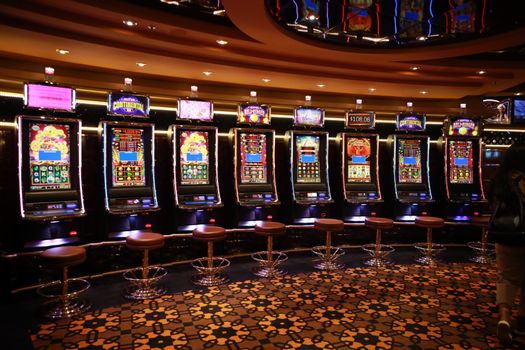
Casino slots are among the most iconic and beloved games worldwide, captivating millions with their flashing lights, ringing bells, and the ever-present promise of life-changing payouts. Yet, behind every spin lies a remarkable story—one that stretches back over a century and has evolved alongside technology, culture, and society itself. In this comprehensive journey, we’ll unravel the fascinating history of casino slots, tracing their humble origins, mechanical marvels, technological leaps, and enduring appeal.
The Birth of Slots: From Mechanical Marvels to Mass Appeal
The history of casino slots begins in the late 19th century. In 1895, a San Francisco mechanic named Charles Fey invented what many consider the world’s first true slot machine: the Liberty Bell. This mechanical device featured three spinning reels, five symbols (including the iconic liberty bell), and an automatic payout mechanism. Players would pull a lever to spin the reels, and matching three symbols on the payline could win them up to 50 cents—a significant sum at the time.
Fey’s invention quickly gained popularity in bars, saloons, and cigar shops. Its simplicity and the thrill of random chance made the Liberty Bell a favorite pastime, laying the foundation for a rapidly expanding industry. By 1907, Fey’s design had inspired numerous imitators, most notably the "Operator Bell" by Herbert Mills, which introduced fruit symbols like cherries and lemons—symbols that remain synonymous with slots today.
.png)
The early 20th century saw slot machines spread across America, often circumventing gambling laws by dispensing gum or candy as prizes. By 1931, when Nevada legalized gambling, slots were ready to take their place alongside table games in the world’s first casinos.
The Electromechanical Revolution: Lighting Up Las Vegas
The post-war boom of the 1950s and 60s brought with it a revolution in slot machine technology. In 1963, Bally introduced the first fully electromechanical slot: Money Honey. No longer dependent solely on gears and springs, Money Honey used electrical components to control the reels and enabled much larger coin payouts—up to 500 coins at once.
This innovation was perfectly timed for the rise of Las Vegas as a gambling mecca. With their flashing lights, enticing sounds, and ever-growing jackpots, slots soon became the most profitable asset on the casino floor. In fact, by the late 1970s, slot machines accounted for more than 70% of Las Vegas casino revenue.
The electromechanical era also introduced important features like multiple paylines and the first “hopper,” which stored and dispensed large quantities of coins. These advances set the stage for the next leap: computerization.
The Digital Age: Microchips and Video Slots Take Over
The late 1970s and early 1980s marked the dawn of the digital slot machine. In 1976, the first true video slot machine appeared at the Hilton Hotel in Las Vegas, created by the company Fortune Coin. This new generation used a modified Sony TV for its screen and was soon approved by the Nevada Gaming Commission.
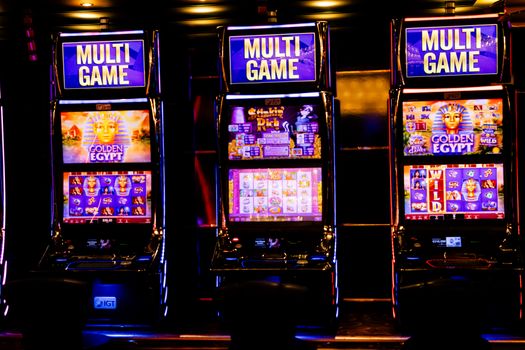
The introduction of microprocessors in the 1980s forever changed how slots worked. Random Number Generators (RNGs) replaced mechanical reels, ensuring truly random outcomes and enabling more complex game mechanics. Payout percentages could be precisely controlled, and slots could feature bonus rounds, interactive graphics, and progressive jackpots.
By the 1990s, video slots dominated casino floors worldwide. The variety exploded—games based on pop culture, TV shows, and movies became commonplace. In 1996, the first progressive video slot, “Wheel of Fortune,” was released, offering networked jackpots that could soar into the millions. According to the American Gaming Association, by 2003, there were over 830,000 slot machines in the United States alone.
Online Slots and the Internet Boom: Gaming Goes Global
The mid-1990s and early 2000s saw the rise of online gambling, and with it, a new era for slot machines. The first online casinos launched in 1996, offering digital versions of classic slots accessible from any internet-connected computer. By the early 2000s, online slots represented a rapidly growing segment of the $50 billion global online gambling industry.
Online slots brought unprecedented innovation—developers introduced 3D graphics, animated features, and a dizzying array of bonus games. Players could now choose from thousands of themes, bet sizes, and payout structures. The introduction of mobile gaming in the 2010s further accelerated growth; today, over 60% of online casino revenue comes from slots, and mobile play accounts for more than half of all online gambling activity.
Online slots also gave rise to record-breaking jackpots. In 2015, a British player won $20.1 million playing Mega Moolah, the largest online slot jackpot ever recorded at the time.
Comparing the Eras: How Casino Slots Have Evolved
The evolution of slot machines is a testament to technological progress and changing player preferences. The table below compares the key characteristics of each major era in slot history:
| Era | Key Innovations | Typical Payout | Popular Games | Player Experience |
|---|---|---|---|---|
| Mechanical (1895–1960s) | Spinning metal reels, lever operation, basic symbols | Up to 50 cents | Liberty Bell, Operator Bell | Simple, tactile, limited bet options |
| Electromechanical (1960s–1970s) | Electrical components, larger coin hoppers, flashing lights | Up to 500 coins | Money Honey | More excitement, larger payouts, multiple paylines |
| Digital & Video (1980s–1990s) | Microchips, RNGs, video screens, bonus games | Progressive jackpots ($1M+) | Wheel of Fortune, Fortune Coin | Varied themes, interactive features, bigger jackpots |
| Online & Mobile (2000s–present) | 3D graphics, mobile play, global jackpots | $20M+ (recorded online) | Mega Moolah, Starburst | Anytime, anywhere access, thousands of games |
Cultural Impact and the Enduring Allure of Slots
The history of casino slots is not just a tale of technology—it’s a story of cultural influence and enduring popularity. From the Wild West saloons to the neon glow of Las Vegas and the digital screens of smartphones, slots have adapted to fit the spirit of the times.
Today, more than 70% of all casino gaming revenue in the United States comes from slot machines, according to the University of Nevada, Las Vegas Center for Gaming Research. They are a social phenomenon, referenced in movies, music, and even art. The familiarity of fruit symbols, lucky sevens, and the unmistakable sound of a jackpot has become part of global pop culture.
Moreover, slots have influenced game design far beyond casinos. Many of the mechanics, reward systems, and visual elements found in modern mobile games and apps draw inspiration from slot machines’ psychology and design.
Challenges and Controversies: Regulation and Responsible Gaming
As slots have grown in popularity, so too have concerns about their impact on players. The random nature and rapid pace of modern slots can make them highly addictive. Studies have shown that problem gambling rates are higher among slot machine players than other forms of gambling. For example, a 2016 study by the National Council on Problem Gambling found that 48% of calls to their helpline were related to slot machines.
Governments and regulatory bodies have responded by implementing stricter rules around slot machine design, payout transparency, and responsible gaming tools. Features like voluntary self-exclusion, deposit limits, and reality checks have become standard in many jurisdictions. Online operators are now required to publish return-to-player (RTP) percentages and odds, giving players more information to make responsible choices.
The Future of Slots: Innovation and Global Reach
Looking ahead, the future of casino slots promises even greater innovation. Virtual reality (VR) and augmented reality (AR) slots are already being developed, promising immersive experiences that blend the thrill of the casino with cutting-edge technology. Blockchain and cryptocurrency are enabling provably fair slots, while artificial intelligence is helping to personalize gameplay and enhance player safety.
According to Statista, the global online gambling market—including slots—is projected to reach $100 billion by 2026. With new markets opening up in Asia, Africa, and Latin America, and with ever-evolving technology, the saga of casino slots is far from over.
Reflecting on the History of Casino Slots
From Charles Fey’s Liberty Bell to the sprawling world of online and mobile gaming, the history of casino slots is a story of relentless innovation, cultural adaptation, and universal appeal. These machines have not only shaped the gambling industry but have also left an indelible mark on entertainment and pop culture worldwide.
Their longevity and popularity are a testament to their unique blend of chance, excitement, and technological spectacle. As we look to the future, one thing is certain: the saga of casino slots will continue to spin, captivating new generations with each turn of the reels.