The Fascinating Journey of Slot Machines: From Mechanical Marvels to Digital Wonders
Slot machines, with their flashing lights and mesmerizing reels, have become a symbol of excitement and possibility in casinos around the world. But the journey from the clunky mechanical devices of the 19th century to today’s sleek, digital, and online slot machines is a story filled with innovation, controversy, and cultural transformation. In this article, we’ll take an in-depth look at the history of slot machines, exploring their evolution from the earliest mechanical contraptions to the sophisticated digital games that define the modern gaming experience.
The Birth of the Slot Machine: Mechanical Beginnings (Late 1800s)
The story of the slot machine starts in the late 19th century, a period brimming with industrial innovation. The very first recognized slot machine was invented in 1895 by Charles Fey, a San Francisco-based mechanic. Fey’s device, known as the Liberty Bell, featured three spinning reels with five symbols: hearts, diamonds, spades, horseshoes, and the Liberty Bell itself. Players would pull a lever to set the reels in motion, hoping to land three matching symbols for the highest payout.
Fey’s Liberty Bell was a massive success, quickly spreading to bars and saloons throughout California. The key innovation was its automatic payout mechanism, which allowed for instant winnings—a major leap from earlier gambling devices that required a bartender to verify wins and pay out prizes.
.png)
Key facts from the mechanical era:
- Charles Fey’s Liberty Bell was introduced in 1895 and paid out a maximum of 50 cents. - By 1908, Herbert Mills introduced the Operator Bell slot, featuring the now-iconic fruit symbols (cherries, lemons, plums, and bars). - Early slot machines were often banned due to anti-gambling laws, leading to creative workarounds—such as awarding winners with gum or candy instead of cash.Despite legal obstacles, mechanical slot machines flourished, paving the way for an entire industry devoted to games of chance.
Electromechanical Revolution: The Rise of Complexity (1960s–1970s)
For decades, slot machines remained fundamentally mechanical, relying on gears, springs, and levers. Everything changed in 1963, when Bally Technologies introduced the first fully electromechanical slot machine, Money Honey. This revolutionary device replaced most moving parts with electrical components, allowing for new game features, such as larger hoppers and automatic payouts of up to 500 coins.
The electromechanical era brought several important advancements:
- The lever was replaced by a simple button, streamlining gameplay. - Lights, sounds, and more elaborate displays became possible, making slots more visually and aurally engaging. - The introduction of multi-coin bets increased player excitement and potential payouts.By 1976, the first true video slot machine was developed in Las Vegas by the Fortune Coin Company, using a modified Sony TV as the display. This innovation marked the beginning of the end for traditional mechanical slots, as electronics and video screens opened up endless possibilities for game design.
The Digital Boom: Video Slots and Random Number Generators (1980s–1990s)
As microprocessors and computer technology advanced, slot machines underwent another dramatic transformation. The adoption of random number generators (RNGs) in the 1980s ensured that each spin was independent and unpredictable, replacing the physical limitations of mechanical reels.
Modern video slots offered:
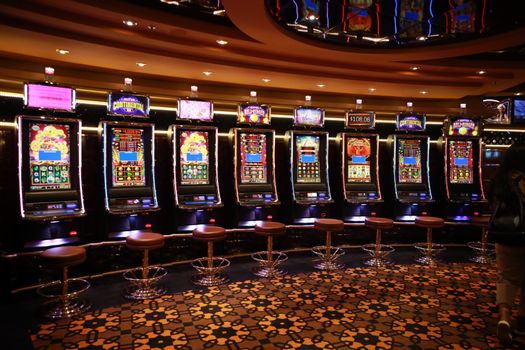
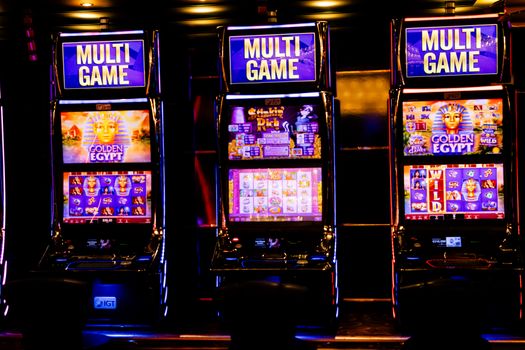
- Multiple paylines (sometimes 20 or more), increasing the chances of winning on a single spin. - Bonus rounds and mini-games, enhancing entertainment value. - Themed slots, often based on movies, TV shows, or celebrities, adding new layers of engagement.By the 1990s, video slots dominated casino floors. According to the American Gaming Association, by 1996 slot machines accounted for over 70% of all casino revenue in the United States. This digital revolution set the stage for even more monumental changes in the decades to come.
Online Slots and the Internet Era (Late 1990s–2010s)
The rise of the internet in the late 1990s gave birth to online casinos and, with them, digital slot machines that could be played from anywhere in the world. The first online slot games appeared in 1996 via InterCasino, allowing players to enjoy classic and new slot titles using their home computers.
Online slots brought several groundbreaking changes:
- Accessibility: Players could now spin the reels 24/7 from home, bypassing the need for a physical casino. - Variety: Developers like Microgaming and NetEnt introduced hundreds of slot titles, each with unique themes, features, and payout structures. - Progressive jackpots: Linked games across multiple sites allowed prize pools to reach millions of dollars. In 2015, a British player won a world record £13.2 million (about $17.2 million) on Microgaming’s Mega Moolah slot.By 2018, the global online gambling market was estimated at $50 billion, with slots making up a significant portion of that revenue.
Mobile and Multi-Platform Slots: The Modern Era (2010s–Present)
Smartphones and tablets revolutionized the gaming industry yet again in the 2010s. Mobile-optimized slots became the new standard, offering touch controls, crisp graphics, and seamless integration across devices. Today, slot games are played on everything from desktop computers to smartwatches, reaching billions of players worldwide.
Key trends in modern slot machines include:
- Cross-platform play: Games are designed to work seamlessly across mobile, tablet, and desktop devices. - Social gaming: Free-to-play slot apps on platforms like Facebook attract millions of casual players daily. - Advanced graphics and sound: Modern slots rival video games in terms of visual and audio quality, with features like 3D animation and cinematic cutscenes. - Responsible gaming: As slot games become more accessible, developers and regulators have introduced features to promote responsible gambling, such as session limits and reality checks.Comparing the Eras: Mechanical vs. Digital Slot Machines
To better understand the dramatic evolution of slot machines, let’s compare key features across different historical periods:
| Feature | Mechanical (1895–1960s) | Electromechanical (1960s–1980s) | Digital/Online (1990s–Present) |
|---|---|---|---|
| Reel Type | Physical, spinning reels | Physical, with electrical components | Virtual reels on screen |
| Randomization | Mechanical stops and gears | Electro-mechanical, partially random | Random Number Generator (RNG) |
| Betting Options | Single coin, single line | Multiple coins, few lines | Multiple coins, many paylines |
| Bonus Features | Very limited, if any | Some, like hold-and-spin | Bonus rounds, free spins, mini-games |
| Payout Size | Max 50 cents – $20 | Up to 500 coins | Progressive jackpots over $10 million |
| Accessibility | Physical casinos only | Physical casinos only | Online and mobile worldwide |
The Cultural Impact and Future of Slot Machines
Slot machines have grown far beyond their humble origins as simple gambling devices. Today, they are a cornerstone of both casino revenue and popular entertainment. In Las Vegas, for example, slot machines generate approximately 65% of all gaming revenue, according to the Nevada Gaming Control Board.
In pop culture, slots have been immortalized in movies like “Casino” and television shows depicting the glitz and glamour of Las Vegas. Their influence extends to music, art, and even fashion, with the iconic “one-armed bandit” serving as a symbol of luck and risk.
As technology continues to advance, slot machines are expected to evolve in exciting ways. Virtual reality (VR) and augmented reality (AR) slots are already appearing in some online casinos, promising fully immersive gaming experiences. Artificial intelligence may soon tailor slot games to individual player preferences, creating even more engaging and personalized adventures.
Final Reflections on the History of Slot Machines
The history of slot machines is a testament to human ingenuity, adaptability, and the enduring appeal of games of chance. From the rattling reels of Charles Fey’s Liberty Bell to today’s digital masterpieces that can be played on a phone or VR headset, slot machines have continually reinvented themselves to capture the imagination of players worldwide.
As we look to the future, one thing is certain: the slot machine’s journey is far from over. Whether you’re a casual spinner or a casino enthusiast, the next chapter in the story of slots is sure to be just as thrilling as its storied past.