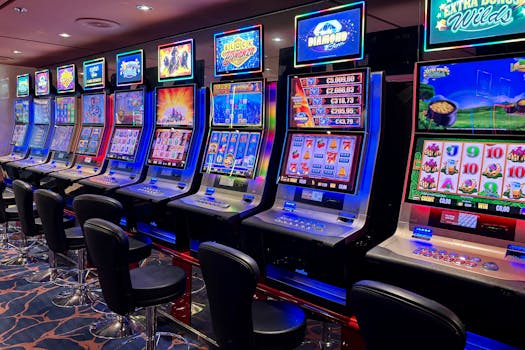
The Commodification of Casino Slots in Popular Media
Casino slots have long been a staple of gambling culture, but in recent years, they have transcended the confines of casinos and entered the broader realm of popular media. From blockbuster movies and television series to digital advertising and social media, the imagery and themes of slot machines have become powerful cultural symbols, repackaged and commodified for mass consumption. This phenomenon is more than mere background decoration; it reflects deep societal trends regarding entertainment, risk, and the allure of instant gratification. In this article, we will explore how casino slots are commodified in popular media, why they are so appealing, and what implications this has for society at large.
The Rise of Slots as Pop Culture Icons
Casino slots have evolved from simple mechanical devices to complex digital experiences, but their cultural significance has grown even more rapidly. In the mid-20th century, slot machines were mostly confined to smoky casino floors in Las Vegas and Atlantic City. By the 2000s, however, slots had become ubiquitous, their colorful reels and distinctive sounds instantly recognizable even to those who had never set foot in a casino.
The commodification of slots in popular media began in earnest with their frequent appearance in feature films. Movies such as "Casino" (1995) and "Ocean's Thirteen" (2007) not only depicted the thrill of playing slots, but also used them as visual shorthand for themes of luck, chance, and the American dream. Television shows like "The Simpsons" and "Friends" have featured episodes centered around casinos, often highlighting the slot machine as a symbol of both opportunity and excess.
.png)
This trend accelerated with the rise of digital technology. According to a 2022 report by Statista, over 1.6 billion people worldwide engage with gambling-themed content online, including casino slot games and related media. The proliferation of mobile gaming apps has further embedded slots into everyday life, with titles like "Slotomania" boasting more than 50 million downloads.
Slots in Advertising and Branding
The commodification of slots goes far beyond entertainment. Marketers and advertisers have harnessed the powerful imagery of slot machines to sell everything from soft drinks to automobiles. The visual of spinning reels, flashing lights, and the possibility of a "big win" taps into our collective imagination and desire for reward.
A notable example is Coca-Cola's "Spin to Win" promotional campaign, which used a virtual slot machine on its website to distribute prizes. The campaign drove a 35% increase in user engagement compared to previous promotions. Similarly, car manufacturers like Toyota and Ford have used slot machine graphics in TV commercials to emphasize the idea of hitting the jackpot with a new purchase.
The appeal of slot imagery extends to branding. Numerous websites and social media influencers leverage slot machine motifs to signal excitement and unpredictability. Even outside the gambling industry, businesses use slots as a metaphor for luck and potential, capitalizing on the universally understood promise of instant gratification.
Representation of Slots in Movies and TV
The depiction of slot machines in movies and television serves not only narrative purposes but also acts as a form of cultural commentary. Filmmakers and showrunners often use slots to explore themes of fate, addiction, and hope.
For instance, in the television series "Breaking Bad," a memorable scene features a character mechanically playing a slot machine, symbolizing his growing detachment from reality and reliance on luck. In the film "Rain Man" (1988), the protagonists' experience with slots highlights both the randomness of life and the possibility of extraordinary fortune.
According to the American Gaming Association, slot machines are the most frequently depicted form of gambling in U.S. media, appearing in more than 70% of casino-related film scenes. This visibility helps normalize gambling behavior and reinforces the concept of slots as a mainstream pastime.
However, not all portrayals are glamorous. Documentaries like "Inside the Edge: A Professional Blackjack Adventure" and news segments on gambling addiction provide more critical perspectives, using slot machines as symbols of the dangers associated with compulsive gambling.
The Slotification of Digital Entertainment
Perhaps the most significant commodification of slots has occurred in the realm of digital entertainment. Social casino games, playable on smartphones and social media, have blurred the line between gambling and gaming. These games mimic the mechanics and aesthetics of real slot machines but often use virtual currency, making them accessible to younger audiences.
As of 2023, the global social casino market was valued at $7.2 billion, with slot-themed games comprising over 65% of total revenue. Titles like "DoubleDown Casino," "House of Fun," and "Big Fish Casino" use familiar slot mechanics to drive engagement, often incorporating popular media franchises such as "Game of Thrones" or "The Wizard of Oz." This cross-pollination further embeds slot imagery in the public consciousness.
The "slotification" of entertainment extends beyond dedicated casino games. Many mobile games, even those unrelated to gambling, incorporate slot-like reward systems—think loot boxes and spinning wheels. This design trend capitalizes on the same psychological triggers that make slots so addictive: variable rewards, anticipation, and the sensory rush of a near-miss.
Comparing Slot Commodification Across Media
To better understand how casino slots are commodified in different media forms, consider the following comparative table:
| Medium | Example | Purpose of Slot Imagery | Audience Reach |
|---|---|---|---|
| Film | "Casino" (1995) | Symbolism, narrative device | Millions worldwide |
| Television | "Friends" (The One in Vegas) | Comedy, storytelling | Over 25 million viewers (per episode at peak) |
| Advertising | Coca-Cola "Spin to Win" | Promotion, engagement | Global, digital campaign |
| Social Media | Instagram influencers using slot themes | Branding, excitement | Hundreds of millions of users |
| Mobile Gaming | "Slotomania" | Entertainment, monetization | 50+ million downloads |
This table demonstrates the versatility and broad appeal of slot imagery. Regardless of medium, the core themes—risk, reward, and excitement—remain consistent, allowing slots to transcend their gambling origins.
Societal Implications and Ethical Considerations
The commodification of casino slots in popular media raises important questions about societal impact and ethical responsibility. On the one hand, the use of slot imagery can be seen as a harmless way to evoke excitement and anticipation. On the other hand, it risks normalizing gambling behavior and potentially exposing vulnerable populations, especially young people, to addictive mechanics.
A 2021 study published in the journal Addiction found that early exposure to gambling themes in media correlates with a 23% higher likelihood of developing gambling problems later in life. The World Health Organization has also expressed concern about the "gamblification" of digital entertainment, particularly the prevalence of slot-like features in games marketed to children and teenagers.
Regulators and advocacy groups have called for increased transparency and age controls on games and advertisements that use slot machine mechanics. In 2023, several countries, including the Netherlands and Belgium, introduced legislation restricting the use of loot boxes—virtual slot machines—in video games targeted at minors.
At the same time, the commodification of slots has contributed to important conversations about risk, reward, and the psychology of entertainment. By examining how and why slot imagery is used across media, society can develop a more nuanced understanding of its effects and make informed decisions about consumption and regulation.
Conclusion
The commodification of casino slots in popular media is a multifaceted phenomenon that reflects broader cultural trends and raises important ethical questions. From their origins on casino floors to their current presence in films, advertisements, and digital games, slot machines have become powerful symbols of chance, hope, and excitement. Their omnipresence in media serves both commercial and narrative purposes, appealing to our desire for instant gratification while also shaping societal attitudes toward risk and reward.
As digital technology continues to evolve, the line between gambling and entertainment may become even more blurred. Understanding the commodification of slots in popular culture is crucial for consumers, creators, and regulators alike. By recognizing both the appeal and the potential risks of slot imagery, society can better navigate the complexities of modern media and entertainment.