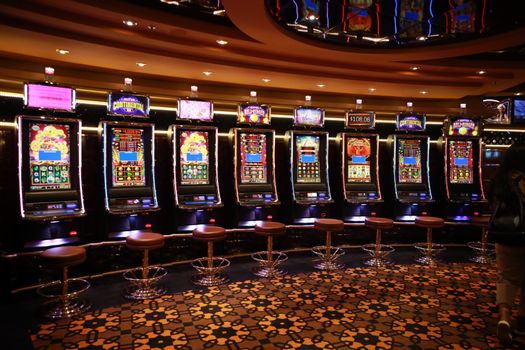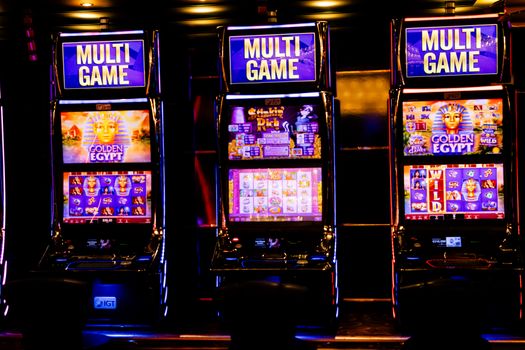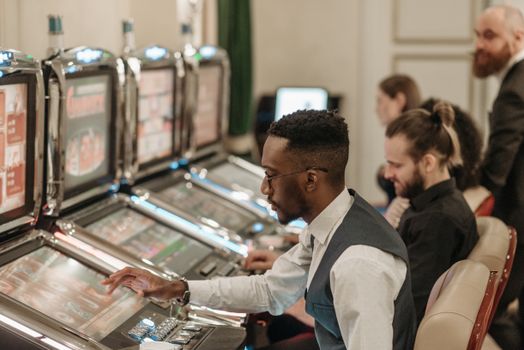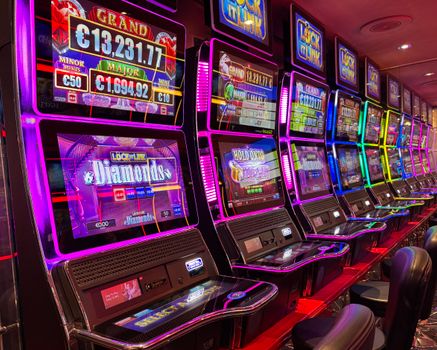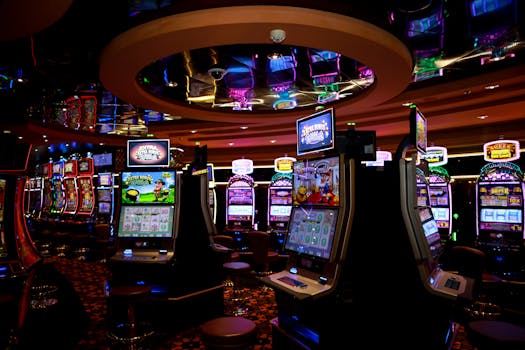
The spinning reels, flashing lights, and captivating sounds of casino slots are more than just entertainment—they’re meticulously designed experiences that tap deep into human psychology. Whether you play for fun or have only watched others at the casino, you might wonder: why are slot machines so mesmerizing? What makes people keep pressing that button or pulling the lever, sometimes for hours on end? To answer these questions, we must explore the fascinating intersection of cognitive science, behavioral economics, and game design. This article takes you beneath the surface to understand the psychology of casino slots and how it shapes both player behavior and the industry itself.
The Allure of the Unpredictable: How Random Rewards Hook Players
At the heart of every casino slot lies the concept of randomness. Slot machines use a Random Number Generator (RNG) to determine each spin's outcome, ensuring that every result is independent of the last. Yet, unpredictability is a powerful psychological trigger. Studies in behavioral psychology, especially those by B.F. Skinner in the 1950s, revealed that unpredictable rewards are highly motivating. In Skinner’s experiments, rats pressed levers more enthusiastically when food pellets appeared at random intervals rather than at regular ones.
Casino slots use this principle by offering wins at unpredictable times. This is known as a "variable ratio reinforcement schedule," and it’s the same mechanism that makes people check their phones compulsively for new notifications. Research shows that the dopamine response in the brain is highest when rewards are unpredictable. In fact, a 2017 study published in Nature Neuroscience found that the anticipation of a potential reward can release more dopamine than receiving the reward itself.
.png)
Visual and Auditory Cues: Sensory Tricks That Enhance Excitement
Slot machines are renowned for their bright colors, flashing lights, and catchy musical jingles. These are not accidental—they’re carefully engineered to stimulate the senses and heighten excitement. Let’s break down some of the psychological effects:
- Color psychology: Reds and golds are common because they evoke feelings of excitement and luck. - Sound design: Winning sounds, even on small payouts, are loud and celebratory, triggering pleasure centers in the brain. - Near-miss effects: Many slots are programmed to display near-misses (e.g., two jackpot symbols and a third just missing), which have been shown in studies to increase player engagement. According to research from the University of British Columbia, near-misses activate similar brain regions as actual wins. - Lighting and motion: Rapid animations and flashing lights give a sense of action and urgency, keeping players’ attention focused.A 2012 study by Dr. Mike Dixon found that players’ heart rates increased by an average of 15% after a near-miss, even though no actual win occurred. This physical response keeps people engaged and motivated to continue playing.
Time Distortion: Why Slot Play Feels Timeless
Have you ever noticed how time seems to slip away while playing slots? This is no accident. Slot machines are designed to induce a state of "flow"—a psychological condition where people lose track of time and external worries. Several factors contribute to this:
- Continuous play: Many modern slots have rapid spin cycles, sometimes as short as 2-3 seconds per game. - Minimal distractions: Casinos often lack windows and clocks, removing external time cues. - Immersive themes: Themed slots, from ancient Egypt to Hollywood movies, offer engaging narratives that draw players in. - Losses disguised as wins (LDWs): Often, slots will celebrate small payouts with lights and sounds, even if the player has lost overall. This creates a sense of ongoing success.A 2009 observational study found that slot players commonly underestimate the amount of time they spend gambling by up to 30%. This time distortion is a critical psychological factor in prolonged play.
Cognitive Biases: How Our Brains Misjudge Odds and Outcomes
Human brains are not naturally good at understanding probability, and slot machines exploit several well-known cognitive biases:
- Gambler’s Fallacy: The mistaken belief that past outcomes affect future results. For example, after a series of losses, a player might feel a big win is "due," even though each spin is independent. - Illusion of Control: Many slots allow players to stop the reels or choose paylines, giving an illusion of influence over outcomes, despite results being determined by RNG. - Availability Heuristic: Players remember big wins more vividly than losses, skewing their perception of overall success. - Sunk Cost Fallacy: After losing money, players may keep playing in hopes of recouping losses, rather than walking away.A 2016 survey by the UK Gambling Commission found that 41% of regular slot players believed they could increase their chances of winning with "skill" or "timing," demonstrating the persistence of these cognitive errors.
Comparing Slot Machine Features: Design Elements and Player Impact
Slot machines are not all created equal. From mechanical "one-armed bandits" to digital video slots, each type employs different psychological tactics. The table below compares some common slot features and their effects on player psychology:
| Feature | Description | Psychological Impact | Prevalence (%) |
|---|---|---|---|
| Near-Miss Outcomes | Reels show symbols "almost" lining up for a big win | Triggers excitement and encourages continued play | 87% |
| Losses Disguised as Wins (LDWs) | Winning less than wager, but with celebratory sounds | Creates false sense of success | 70% |
| Bonus Rounds | Mini-games within the slot with different mechanics | Adds variety, increases engagement | 65% |
| Progressive Jackpots | Jackpot increases with each play until won | Inspires hope for a "life-changing" win | 55% |
| Customizable Bets | Players choose lines and bet amounts | Enhances illusion of control | 92% |
These features are carefully selected to maximize player engagement, as confirmed by a 2022 market analysis showing that games with more "interactive elements" retain players 30% longer on average.
The Social Side: Community, Competition, and Shared Experiences
While slot play is often a solitary activity, the industry has increasingly integrated social elements to boost engagement:
- Leaderboards: Many online slots now feature leaderboards, fostering a sense of competition. - Social sharing: Wins can be shared on social media, amplifying excitement and bringing in new players. - Community jackpots: Some games pool wagers for shared jackpots, creating a sense of camaraderie among players.Real-world casinos also use social engineering: seating arrangements, free drinks, and visible jackpot winners all contribute to a sense of collective experience. According to a 2021 survey by the American Gaming Association, 28% of players reported that "seeing others win" increased their own enjoyment and willingness to play.
Responsible Gambling: Recognizing the Psychological Pull
Understanding the psychology of casino slots isn’t just interesting—it’s important for promoting healthy gambling behaviors. While most people play for fun, a minority can develop problematic habits. Recognizing the psychological tricks at work can help players set limits and maintain control.
Many jurisdictions now require casinos to display odds, offer self-exclusion programs, and provide information on responsible gambling. Online platforms often use "reality checks"—pop-up reminders of time and money spent—to help players stay aware.
If you or someone you know is struggling with gambling, organizations like Gamblers Anonymous and the National Council on Problem Gambling provide support and resources.
Final Reflections on the Psychology of Casino Slots
Casino slots are a masterclass in applied psychology. From unpredictable rewards to sensory stimulation, from cognitive biases to social influences, every aspect is designed to engage the player’s mind and emotions. By understanding these mechanisms, you can better appreciate both the art and science behind the games—and make more informed choices about how and when to play. Whether you’re a casual spinner or a curious observer, knowing what’s happening behind the scenes is the first step toward a more mindful experience.